Search Beyond Search Engines
Pinterest, YouTube, and the alternative discovery channels your customers already use. A practical guide to getting found in the five places people search besides Google, and how to run it all as one manageable system.
Get the Free e-Book
Instant PDF download. No strings attached.
Google Was Never the Ceiling. It Was Only the Front Door.
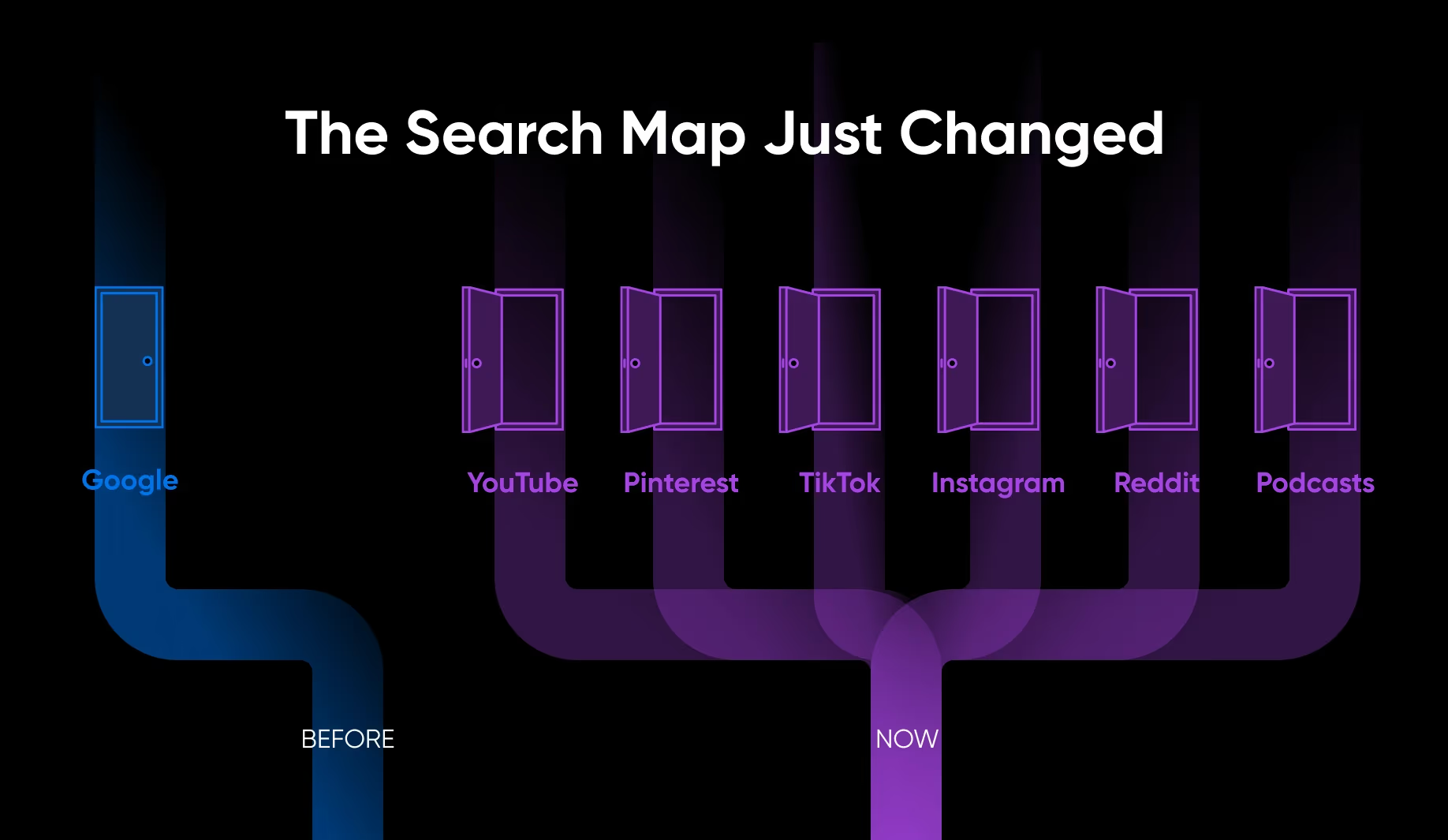
People no longer move in a straight line from awareness to purchase. They stream, scroll, search, and shop simultaneously, often across multiple platforms in a single decision. The channel someone discovers you on is rarely the one they buy from. This e-book maps the five places your customers search now, and shows you how to win the two that matter for your business.
- Where your customers actually search now, and how to tell which platforms are worth your limited time
- How to get found on YouTube, the second-largest search engine, without an expensive camera or a big following
- How to make Pinterest work for months, turning one pin into traffic that keeps arriving long after you post it
- How native search works inside Instagram, TikTok, LinkedIn, and Facebook, where keywords have replaced hashtags
- How to build real authority in communities like Reddit and Quora, the same places AI tools pull answers from
50% of consumers already use AI tools to research and decide before they click a traditional result.
McKinsey predicts this will result in $750 billion in consumer spend by 2028. And AI search pulls its answers from the same channels this e-book covers: Reddit dominates AI Overview citations, YouTube transcripts feed AI summaries, and a well-optimized pin can surface in an AI answer. Win these channels, and the AI front door opens on its own.
The Numbers Behind the New Search Map
Who Should Read This e-Book?
People have turned to YouTube to watch a product before buying it, Pinterest to picture a room before decorating it, TikTok and Instagram to see real people use a product, and Reddit to hear an honest opinion from a stranger with nothing to sell.
Most small businesses lose simply by never noticing the five other places their customers now search. You do not need all five platforms. You need just one or two other than Google where your specific buyer actually searches.
This guide shows you how to find those two channels, win them with the time you have, and run everything as one system, so two channels feel manageable instead of six feeling impossible.
You run a small business with limited time
Your customers now search on Pinterest, YouTube, TikTok, and Reddit, and you need to know which one or two channels deserve your effort.
You want video discovery without a studio
A simple selfie camera and basic room lighting are enough to get your first videos out. No expensive camera or big following required.
You sell where trust is earned, not bought
Communities like Reddit and Quora reward genuine subject knowledge, and they are the same places AI tools now pull their answers from.
Five Chapters. Five Channels Your Customers Already Use.
The Alternative Search Landscape
A search engine is simply a place people go to find an answer on purpose. Under that definition, your customers are searching in at least five different places right now. This chapter maps each one and shows you how to pick the two worth your time.
- Why YouTube, Pinterest, TikTok, Reddit, and podcasts each capture a different search habit
- Run your category through each platform's autocomplete to see what people actually type
- Check where competitors already have traction, and where low-quality content leaves a gap
- Write down your clearest-match platform and a backup. That short list drives the whole book
YouTube SEO Strategy
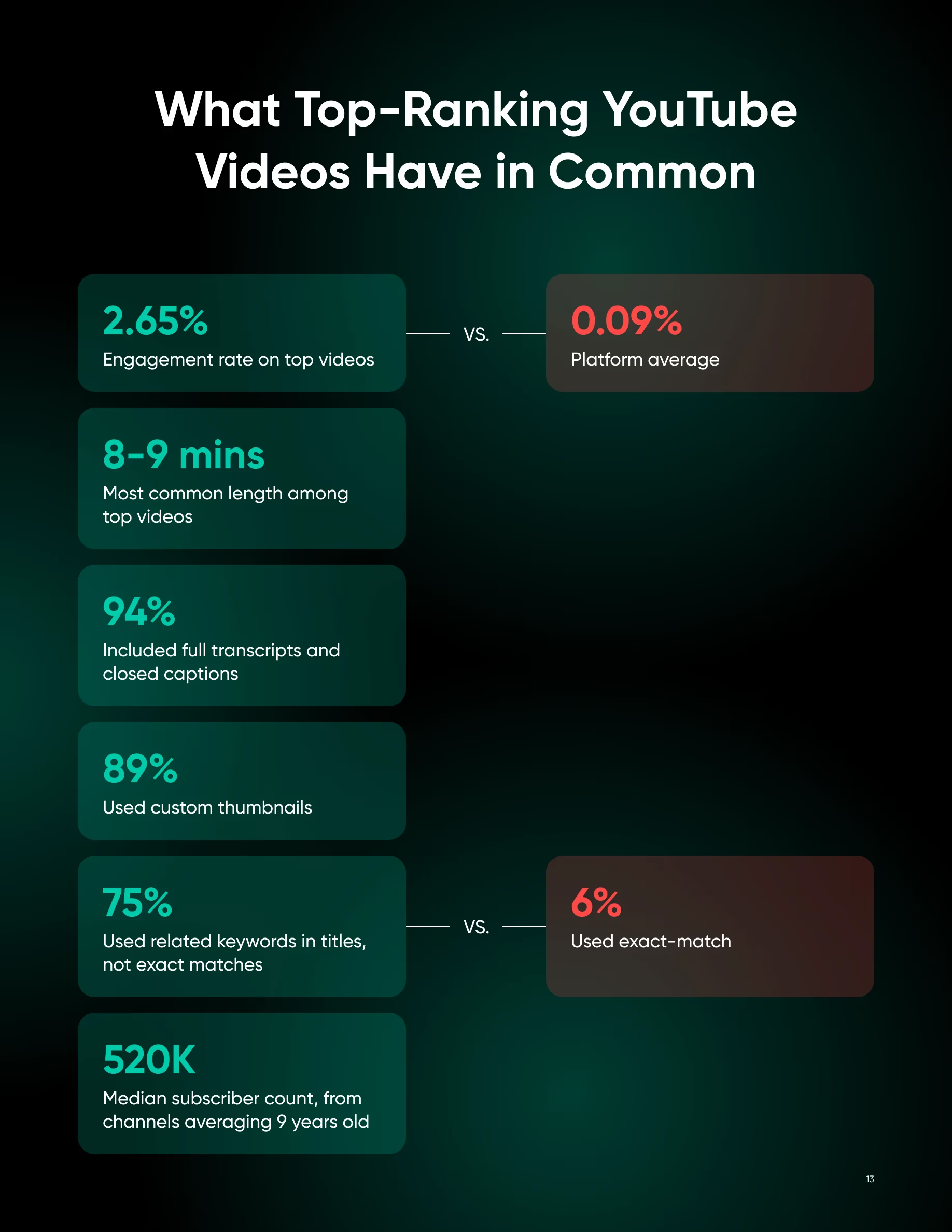
A 2025 study of 1.6 million videos reveals what top-ranking videos have in common: a 2.65% engagement rate against a 0.09% platform average, 8 to 9 minute lengths, full transcripts, and custom thumbnails. This chapter turns those signals into a repeatable process.
- Find topics with the five-step process: autocomplete, volume tools, top-three research, comment mining
- Run the watch-versus-read filter so you only film topics where video beats text
- Package the video to earn its click: honest thumbnails, related keywords instead of exact matches
- Track the three numbers that matter: audience retention, click-through rate, and share rate
Pinterest Marketing for Business
Pinterest processes more than 80 billion searches a month, and 85% of weekly U.S. users have made a purchase based on a pin they saw from a brand. Content gets filed, discovered through search, and resurfaces for months, just like it does on Google.
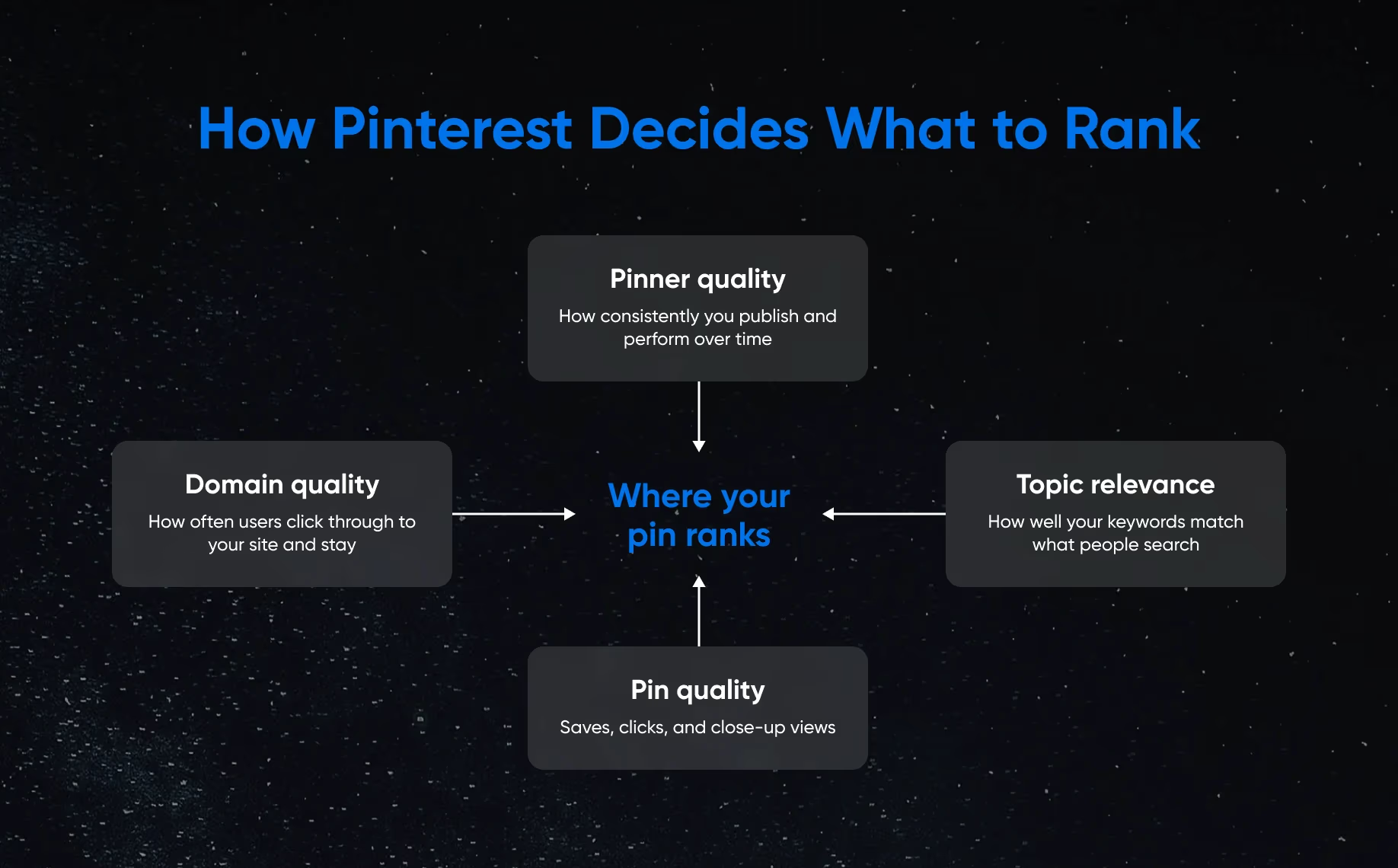
- Understand the four ranking signals: domain quality, pin quality, pinner quality, topic relevance
- Research keywords with the search bar and Pinterest Trends, whose yearly predictions have an 88% hit rate
- Build pins that rank: vertical 2:3 images, benefit-naming text overlays, natural-language descriptions
- Fill the alt text every time. Pins with it earned 25% more impressions and 123% more outbound clicks
Social Platform Search Optimization
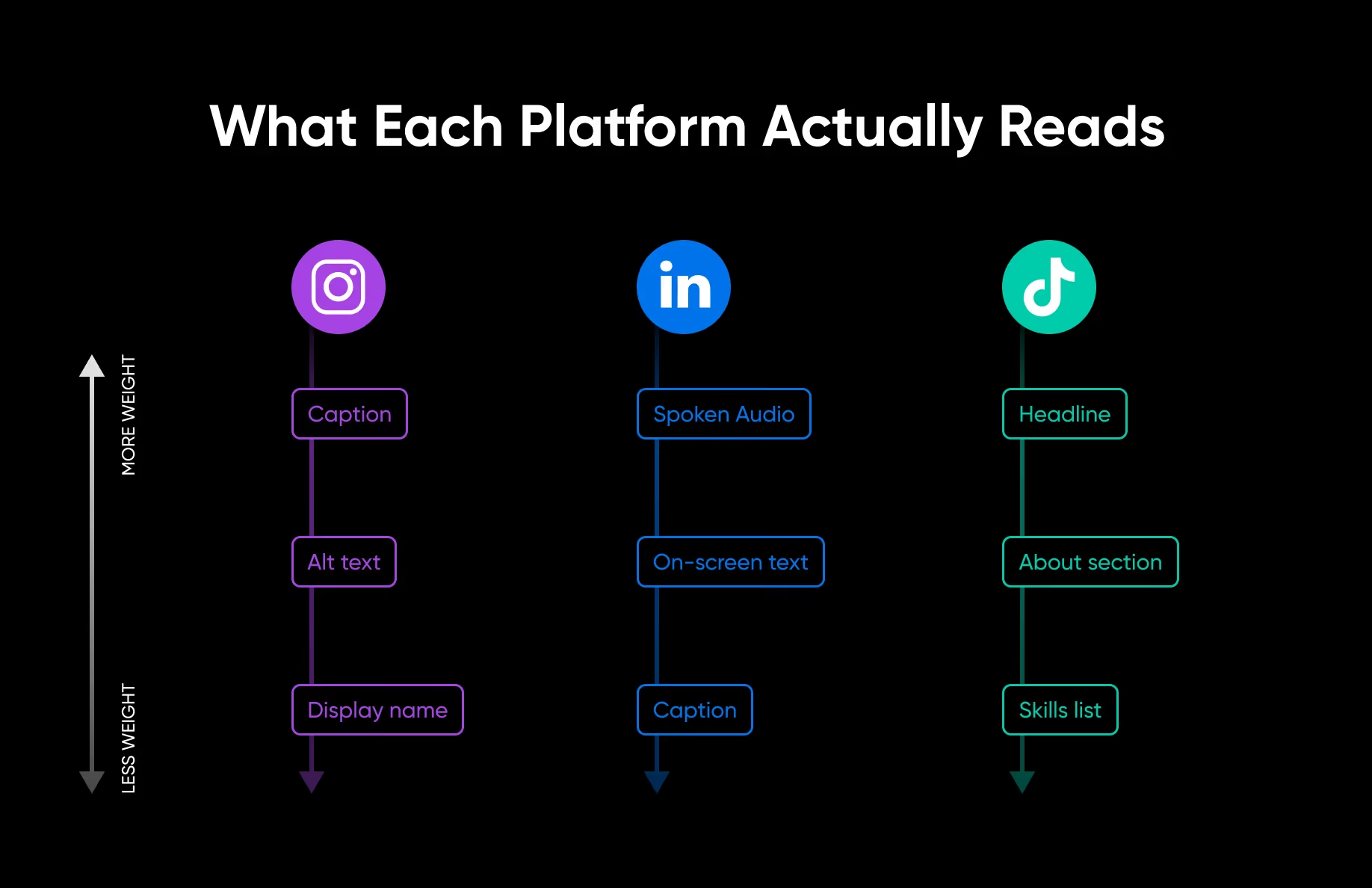
Every social app eventually behaves like a search engine. Instagram capped hashtags at five, TikTok reads your spoken audio, and public posts now feed Google. The shift is from hashtags as a reach lottery to keywords as targeted discovery.
- Instagram: put the search phrase in the first caption line, fill the alt text, name yourself searchably
- TikTok: say your topic out loud, stamp it on screen, and mine Creator Search Insights for unanswered questions
- LinkedIn: write a headline that reads like a query a buyer would run, and fill the skills list
- Facebook: name Groups the way someone would search, and treat Marketplace as a product search engine
Community and Forum Marketing
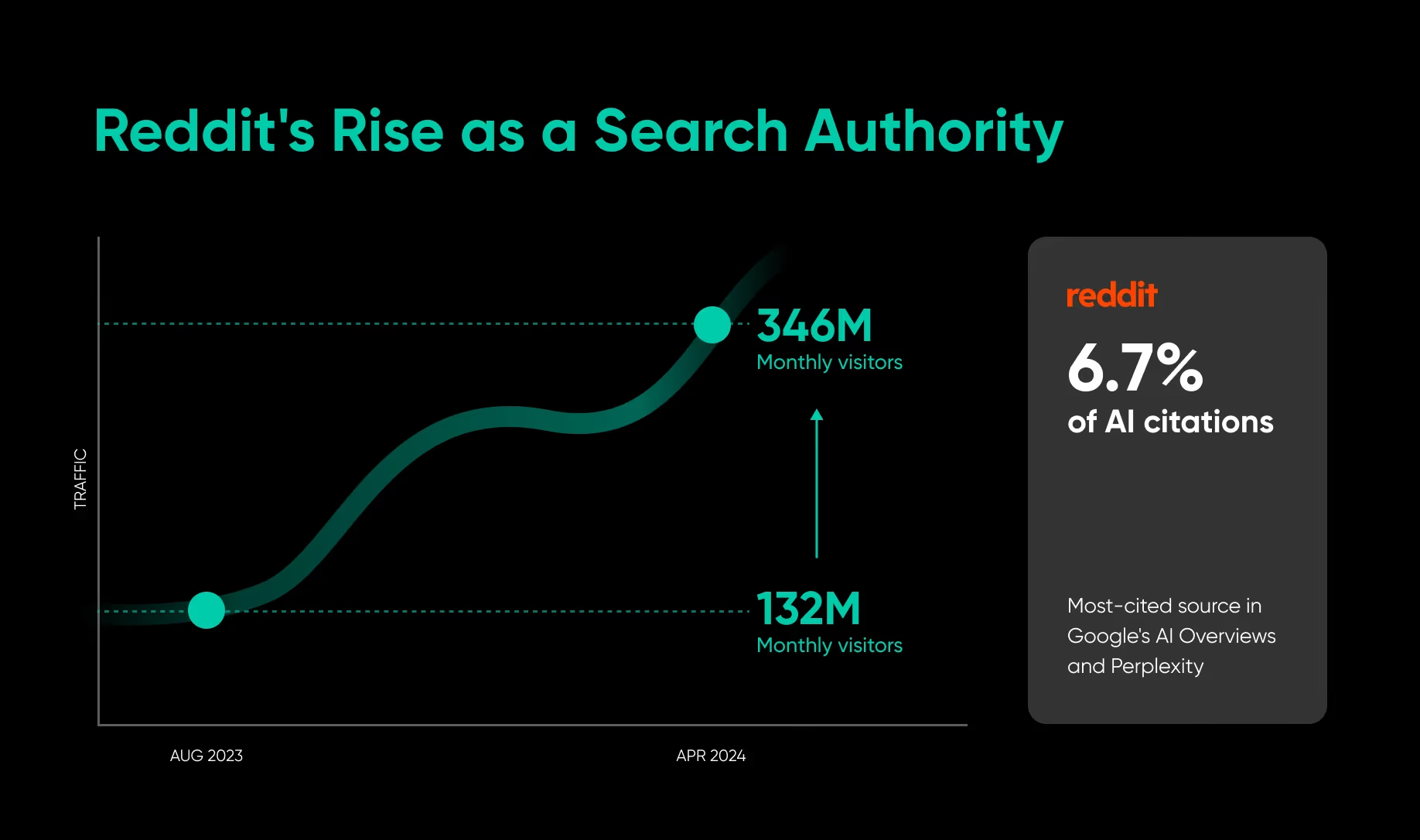
Reddit's readership nearly tripled after Google's forum-friendly update, and it is now the most-cited source across Google's AI Overviews and Perplexity. Communities reward genuine subject knowledge, and almost everything else is thrown out.
- Spend about a month building a real account and getting past 100 karma before mentioning your product
- Follow the 9:1 ratio: nine genuinely useful contributions for every one that mentions your product
- Find your subreddits through Reddit search, site:reddit.com queries, and Feedback Friday threads
- Use Quora for thorough long-tail answers that stay searchable and keep earning AI citations for years
Your 90-Day Multi-Channel Discovery Plan
You are not going to be everywhere. Instead of spreading a one-person team across six channels, put the same person into two well-chosen channels and build something real. Depth and steadiness teach each algorithm who you are.
Days 1-30
Choosing
- Find where your audience really searches, using each platform's autocomplete and trend tools
- Settle on your main and backup channels
- Set up tracking with UTM parameters, branded short links, and a "How did you hear about us?" field
Days 31-60
Building
- Make one pillar piece and reshape it into roughly 10 native pieces across your two channels
- Tune every title and caption to the words your audience actually types
- Post steadily on those two channels only. Do not add a third channel yet
Days 61-90
Doubling Down
- Read what the first two months told you and push effort toward the channel earning clicks and mentions
- Reassign any channel with no real clicks after eight to twelve steady weeks
- Fix thumbnails first if your YouTube click-through rate sits under 2%
5 chapters. 5 channels. One system that gets you found beyond Google.
YouTube, Pinterest, social search, and communities, plus a 90-day plan to run two channels well and route every visitor toward an audience you own.