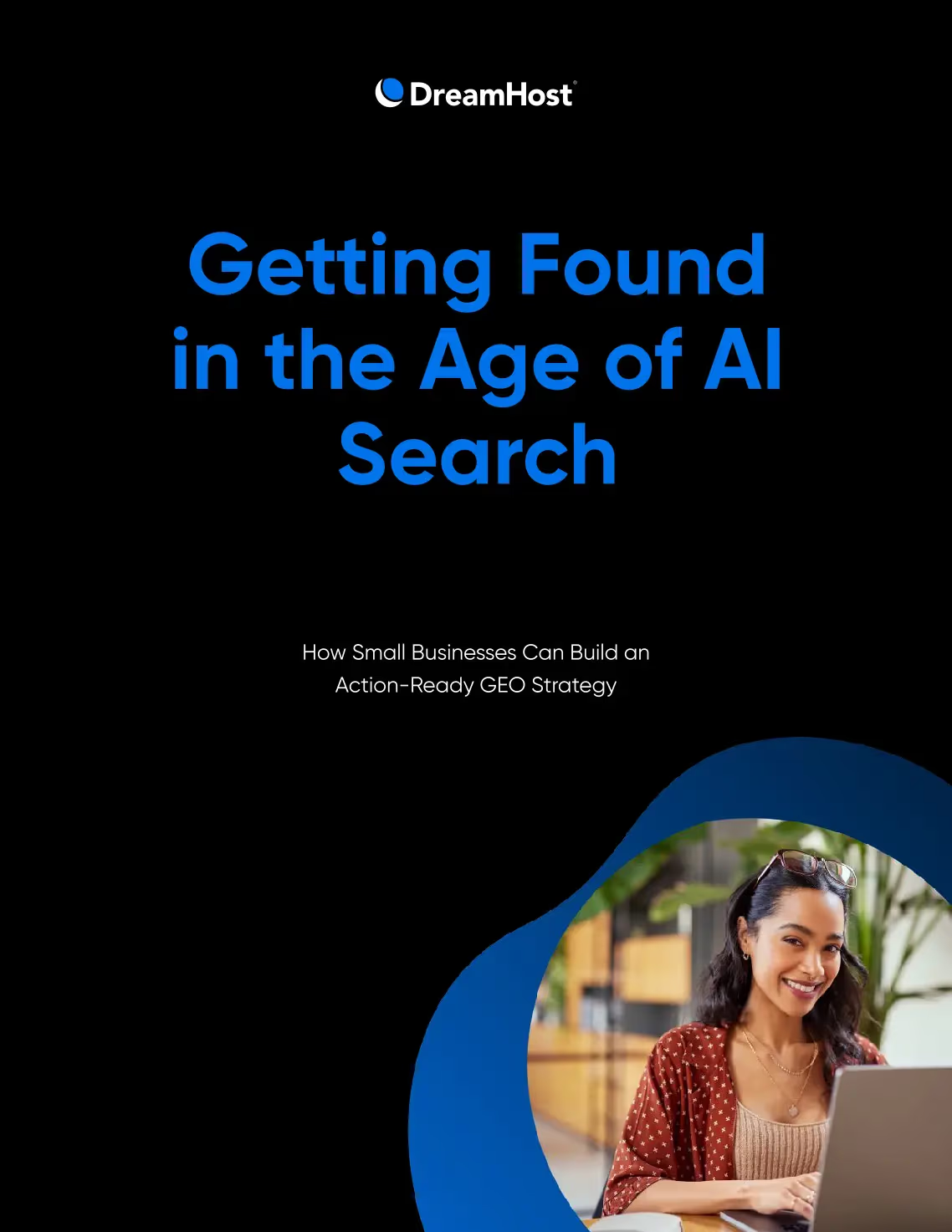
Getting Found in the Age of AI Search
How small businesses can build an action-ready GEO strategy — and win visibility in Google's AI Overviews, ChatGPT, Perplexity, and Claude.
Get the Free eBook
Instant PDF download. No strings attached.
Your Customers Are Asking AI. Your Website Can Be the Answer.
Google's AI Overviews now appear on roughly 1 in 5 searches. ChatGPT handles 900 million weekly users. Zero-click searches grew from 56% to 69% in a single year. Small businesses can still win — if they build the right signals.
- Why traditional SEO is the prerequisite for AI visibility (not a thing of the past)
- Three structural tactics that get your content pulled into Google's AI Overviews
- How to create citation-worthy content for ChatGPT, Perplexity, and Claude
- The E-E-A-T signals that make AI systems trust your site
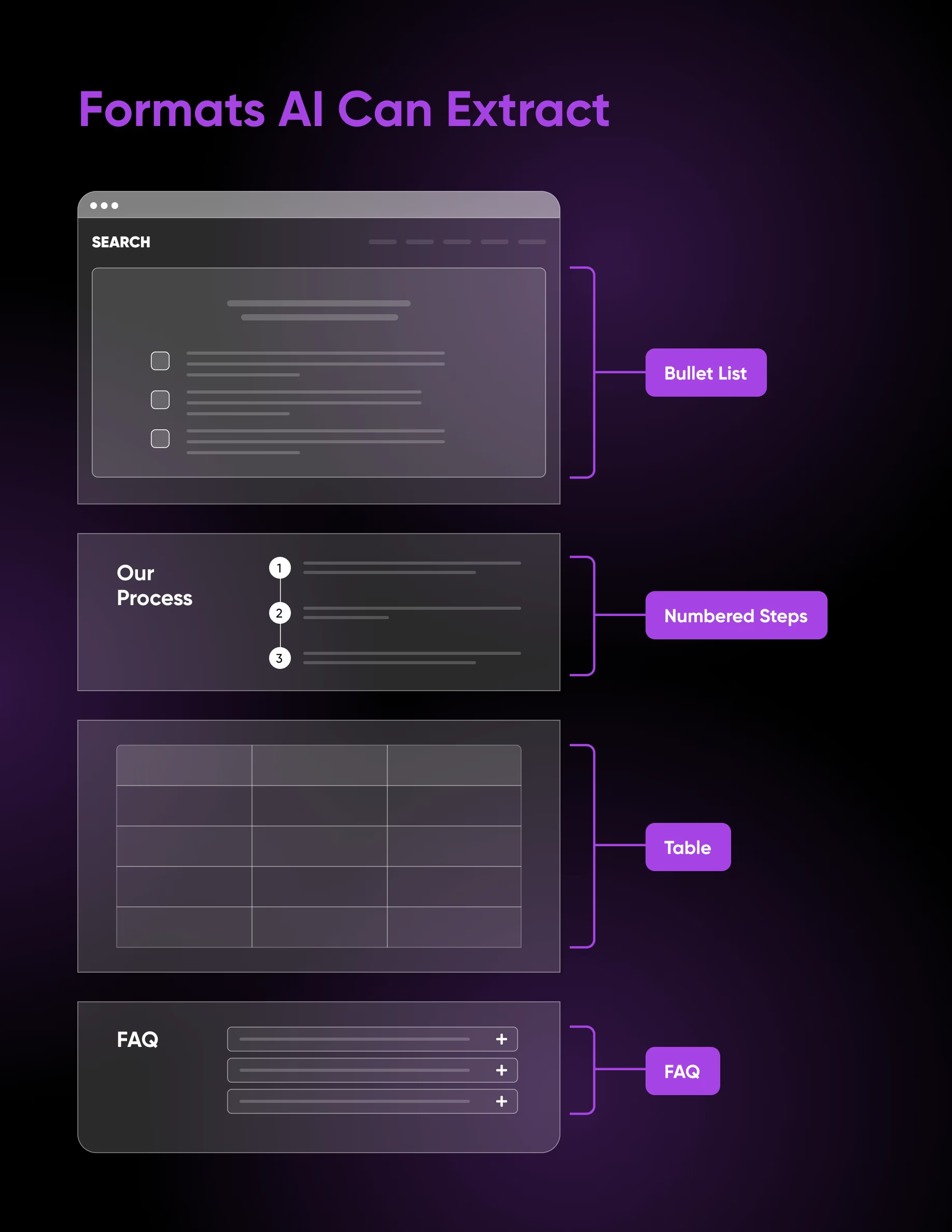
Only 11% of websites get cited by both ChatGPT and Perplexity.
Most businesses haven't even started thinking about AI citations. If you do, you're already ahead of nearly nine out of ten competitors.
The Numbers Behind the Shift
Who Should Care About AI Search?
Nearly seven in ten Google searches now end without a click. ChatGPT, Perplexity, and Claude are answering millions of questions a day — sometimes using your content, sometimes ignoring it entirely.
For small business owners who've invested time and money in a web presence, that stings. But the visibility opportunity hasn't disappeared — it's just moved. AI tools still need sources for their answers, and your website can be one of them.
This playbook shows you how to be one of the 11% of sites that get cited — while your competitors are still waiting to see what happens.
You run a small business
And your search traffic isn't what it used to be — AI answers are intercepting clicks before they reach you.
Your SEO effort feels stuck
You've done the basics, but you're not sure how to adapt as Google and AI answer engines rewrite the rules.
You want an action plan
Not another think piece — concrete, week-by-week steps you can run without a dedicated SEO team.
Four Tactics. Forty Pages. One Action Plan.
Master Traditional SEO Foundations
Google's AI Overviews pull 93.67% of their citations from pages that already rank in the top 10. Traditional SEO isn't competing with AI visibility — it's the prerequisite for it.
- Keyword research using Search Console, Google Trends, and "question expansion" for AI query fan-out
- On-page essentials: one clear topic per page, strategic internal links, and structured data where it fits
- Site speed, Core Web Vitals, mobile-first indexing, and technical crawl basics
- Local SEO: Google Business Profile, directory citations, and service-area targeting
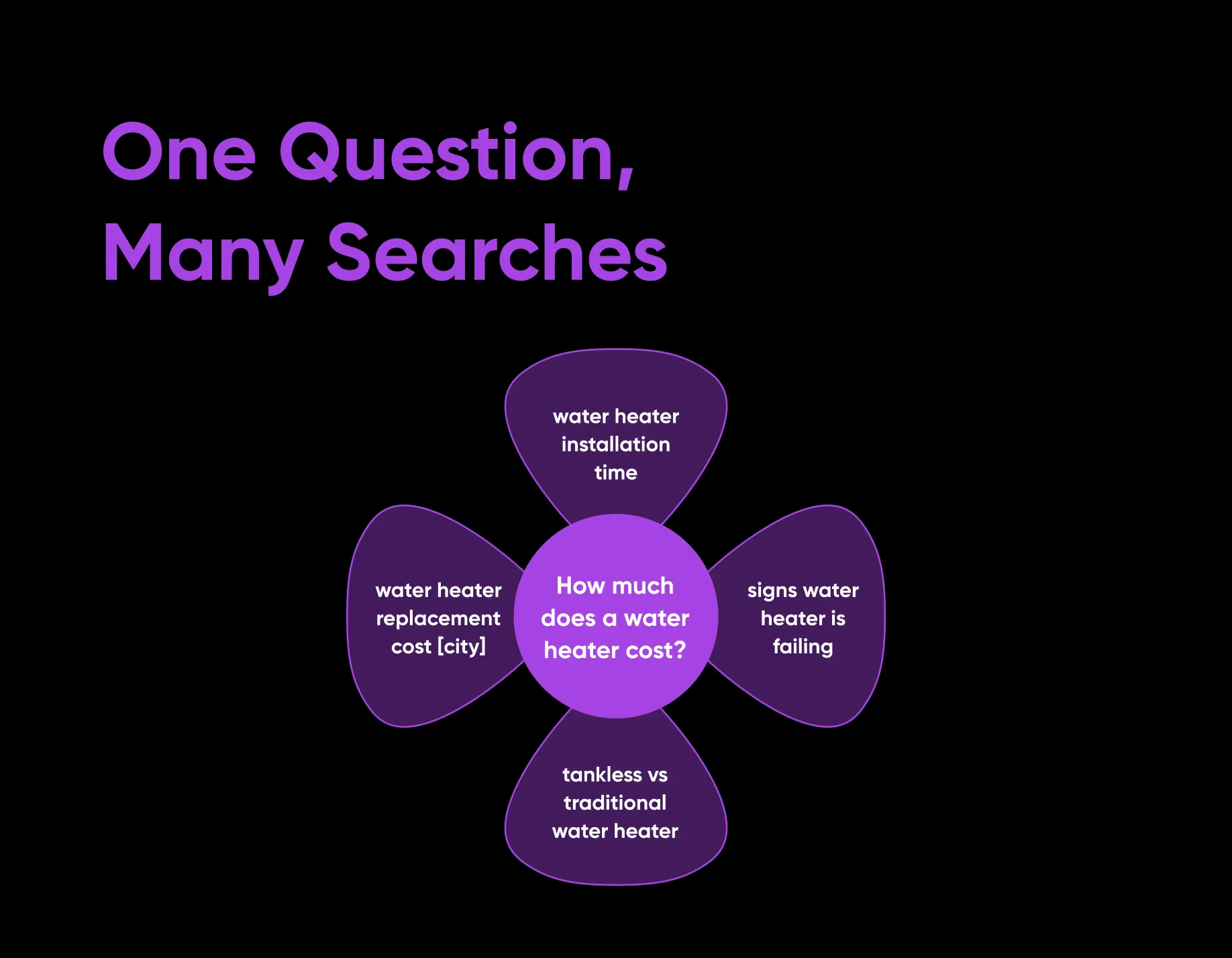
Structure Content for Google's AI Overviews
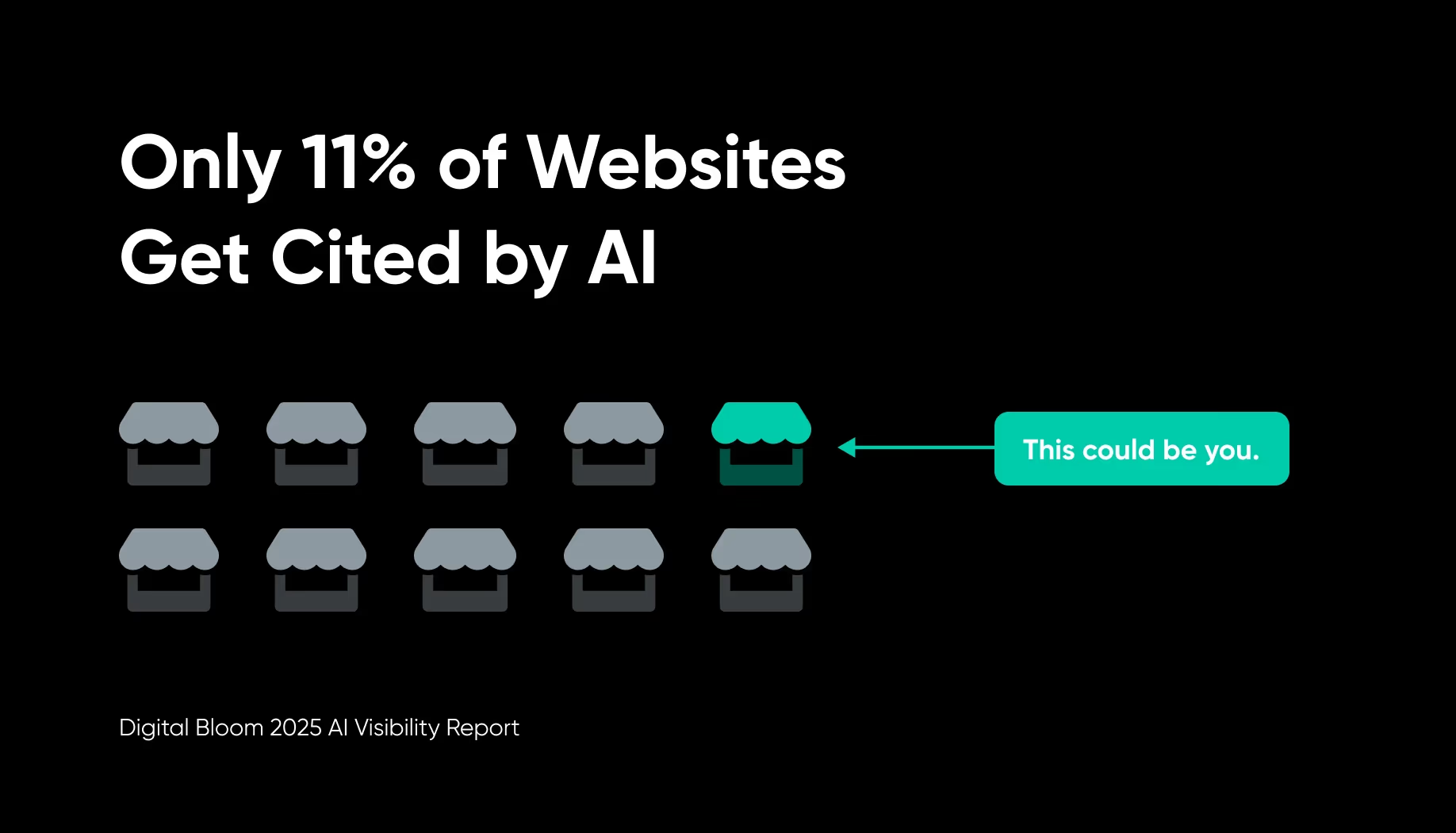
AI Overviews reward good presentation of information, not just good information. Three structural moves make the biggest difference between being cited and being skipped.
- Put the direct answer first: a 2-3 sentence answer block immediately below each header
- Use headers that match real questions — mined from Google's "People Also Ask"
- Use lists, tables, and scannable formats AI can extract cleanly
- Track your AI Overview appearances in Google Search Console
Get Cited by AI Answer Engines
Only 11% of websites get cited by both ChatGPT and Perplexity. Most businesses haven't even started. The opportunity is wide open — if you publish the right kind of content.
- Create original, authoritative assets — data, benchmarks, and insights nobody else has published
- Write quotable statements: short, specific, factual sentences AI systems can lift cleanly
- Use structured formats and FAQ schema to make your content machine-readable
- Understand how ChatGPT, Perplexity, Claude, and Google AI each select sources
Build E-E-A-T Signals AI Systems Trust
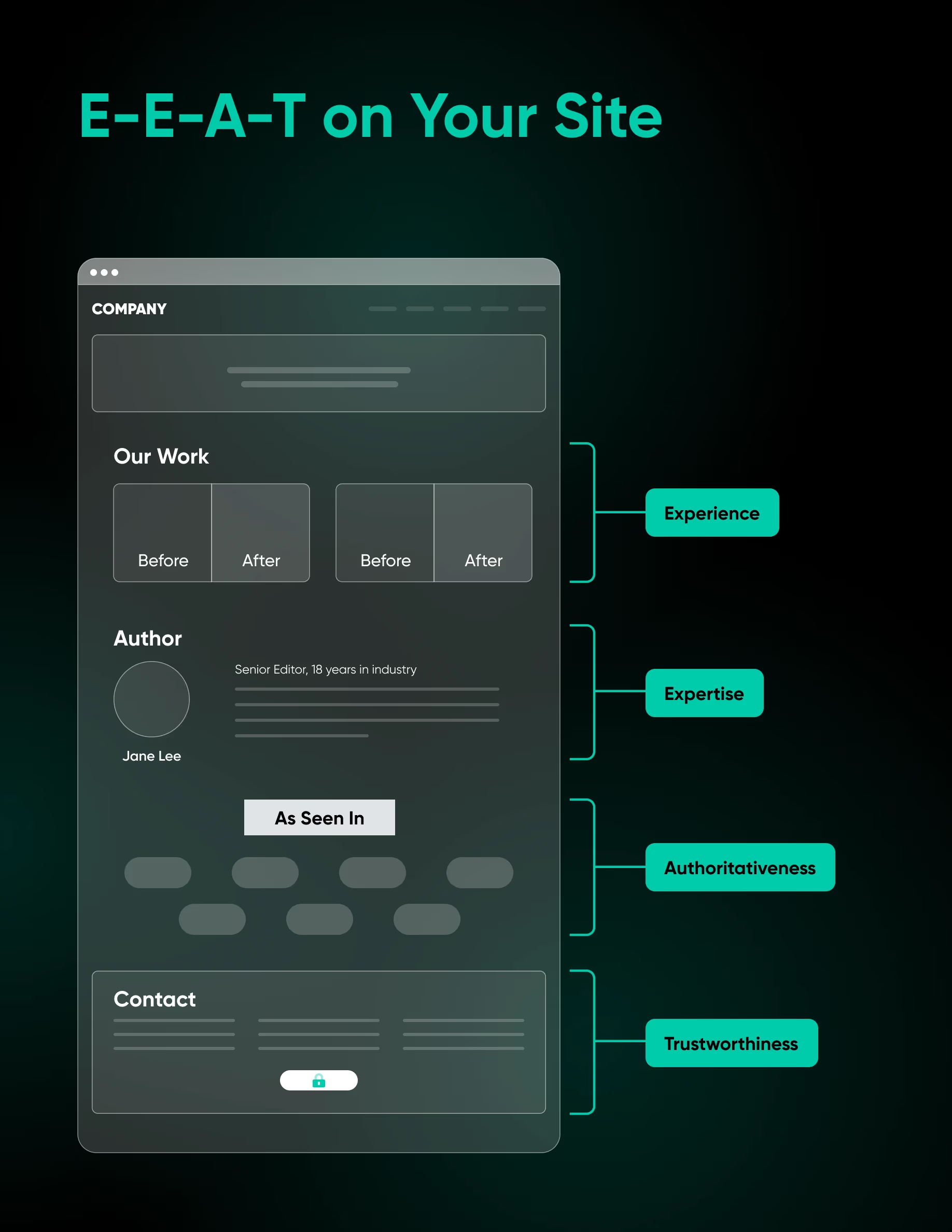
E-E-A-T stands for Experience, Expertise, Authoritativeness, and Trustworthiness. Trust is the most important — untrustworthy pages have low E-E-A-T no matter what else you signal.
- Demonstrate experience: case studies, local photos, and specific project details
- Demonstrate expertise: real author bios with job titles, years of experience, and credentials
- Build authoritativeness: branded mentions now correlate more strongly with AI visibility than backlinks
- Establish trust: transparent contact info, reviews, privacy policy, and active TLS certificate
Your Action-Ready AI Search Plan
A three-tier plan designed for a small business owner working without a dedicated SEO team — quick wins you can knock out in two weeks, foundation work for the next two months, and habits that keep you visible as the landscape shifts.
Week 1-2
Quick Wins
- Export your Search Console baseline (top 20 queries + pages)
- Check your current AI citations in ChatGPT and Perplexity
- Add FAQ schema to your top 3 question-answering pages
- Add real author bylines to your top 10 blog posts
Month 1-2
Foundation Building
- Refresh your top 5 traffic pages with AI-ready structure
- Create one piece of original data content only you can publish
- Pursue 2-3 branded mentions or guest post opportunities
- Restructure H2s/H3s to match real "People Also Ask" questions
Ongoing
Habits That Compound
- Monthly: search your top keywords in ChatGPT, Perplexity, and Google
- Quarterly: refresh stats, links, and examples on top pages
- Annually: conduct a full E-E-A-T audit across bios, policies, and backlinks
40 pages. 4 tactics. One action-ready plan.
Don't wait for the perfect AI search policy. Move first, and capture the visibility while your competitors watch from the sidelines.