Small Business Branding on a Bootstrap Budget
A 40-page DIY playbook for building pro-level brand strategy, voice, colors, logo, and typography, then pulling it all together in a style guide. No designer, no agency retainer, no marketing team required.
Get the Free eBook
Instant PDF download. No strings attached.
Your Brand Is Working Before You Say a Word.
One-third of brands saw substantial revenue growth thanks to consistency in branding, and half of all consumers have chosen one brand over another based on color alone. You don't need a big budget to compete with the big names. You need clarity, a process, and the discipline to stay consistent.
- The 7 questions that turn vague brand ideas into a working strategy
- A 6-step process for a brand voice customers recognize without seeing your logo
- How to build a 3-5 color palette and pass accessibility checks with free tools
- Logo, typography, and a simple style guide, all DIY and all on a budget
60% of consumers say a website that doesn't look fresh and cared for signals a lack of business quality and trustworthiness.
Your brand is the fix. When your site, social profiles, and emails all look and sound like they come from the same place, customers feel confident you're the real deal. Inconsistencies, even tiny ones, plant doubt before you've said a word.
The Numbers Behind Brand Consistency
Who Should Read This eBook?
You might make the best product or run the sharpest service in your area, but being an expert at your work doesn't make you a brand strategist or a designer. And small business owners have small businesses to run.
Branding is how customers tell the difference between a business that knows who it is and one that doesn't. You may not have the ad budget of a national brand, but you can out-position them in your niche by being clearer, more consistent, and more human than they are.
This guide closes the gap. Free tools, a step-by-step process, and a realistic six-week timeline, so you get a brand that looks professional without paying professional prices.
You're building a brand from scratch
You're launching or growing a small business and your brand so far is a name, a logo you're not sure about, and whatever colors the template came with.
Your visuals feel inconsistent
Your website, social profiles, and emails all look like they came from different businesses. You've tried fixing it but can't pinpoint what's off.
You don't have an agency budget
You don't have the budget for an agency or a marketing team. You need the same result with free tools, a clear process, and a few focused hours.
Six Chapters. One Brand That Looks Like You Paid For It.
Build Your Brand Strategy
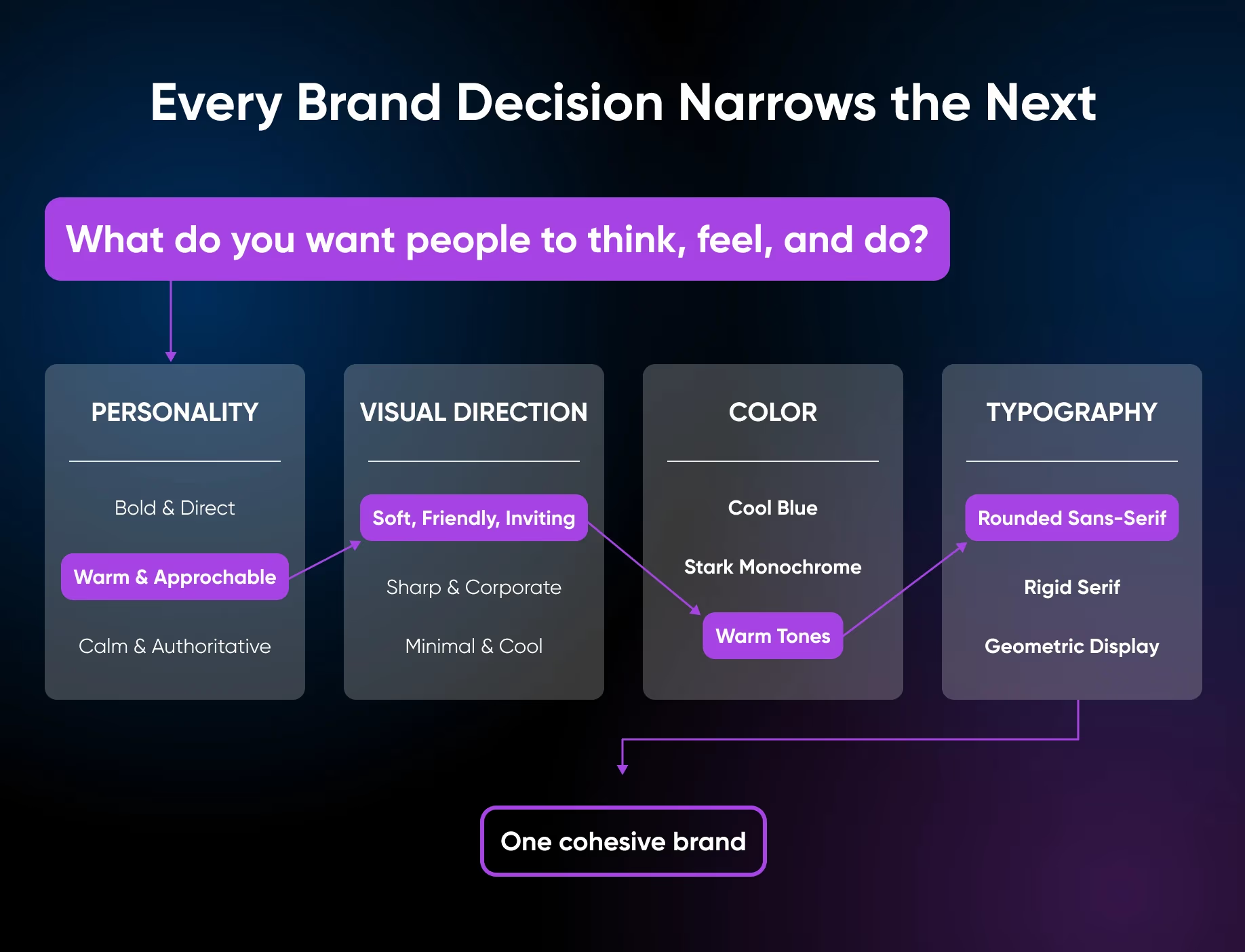
A brand strategy is the roadmap for everything your audience sees, hears, and feels when they encounter your business. Do the thinking now so you're not scrapping your logo and rewriting your website six months down the road.
- Work through the 7 questions that define your strategy, from values to visual direction
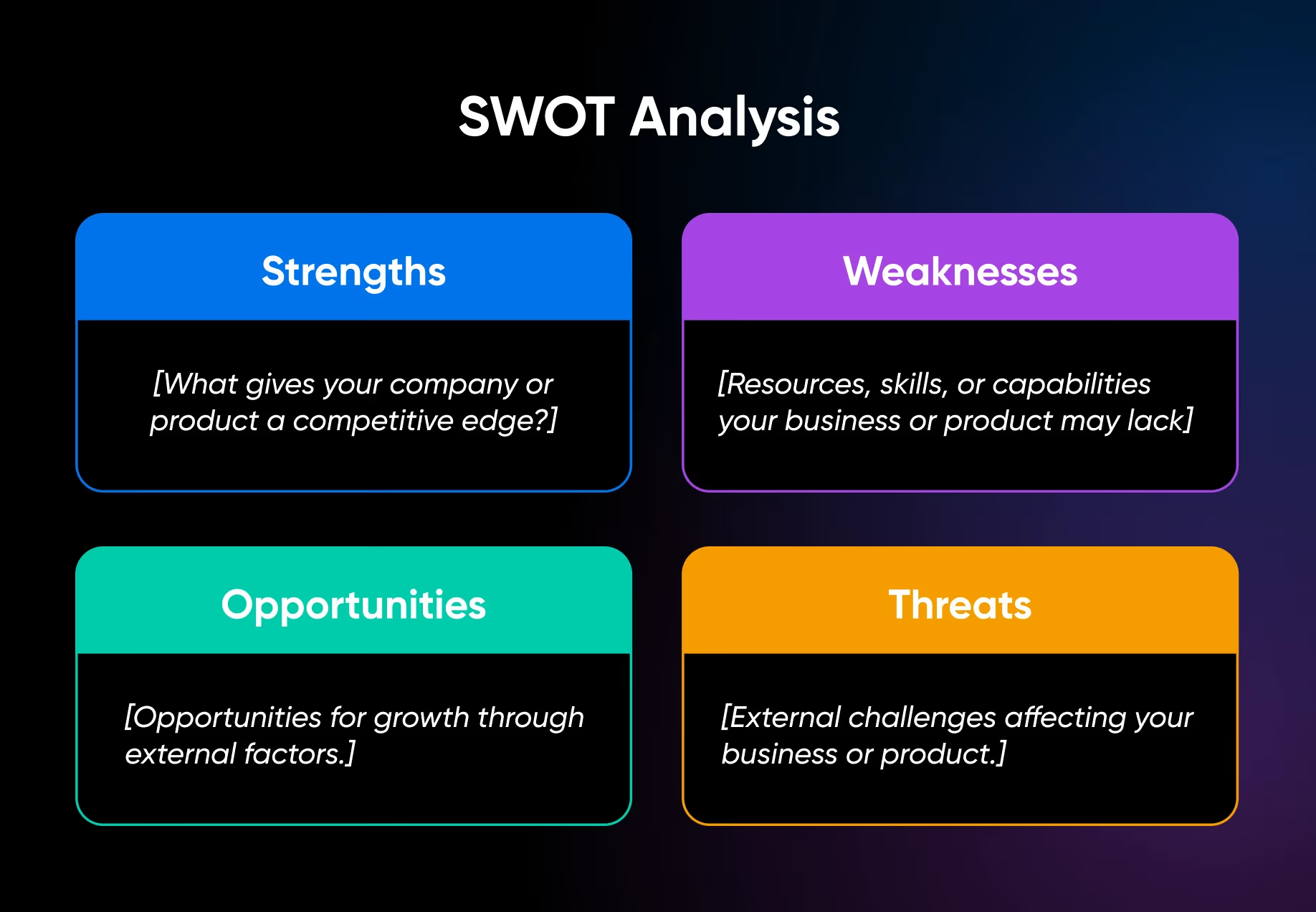
- Run a SWOT analysis to find where you stand in the market and where you can differentiate
- Set SMART goals with real numbers instead of targets that sound impressive but demoralize
- Mine your existing customers and reviews for clues about what your brand already does well
Create an Intriguing Brand Voice
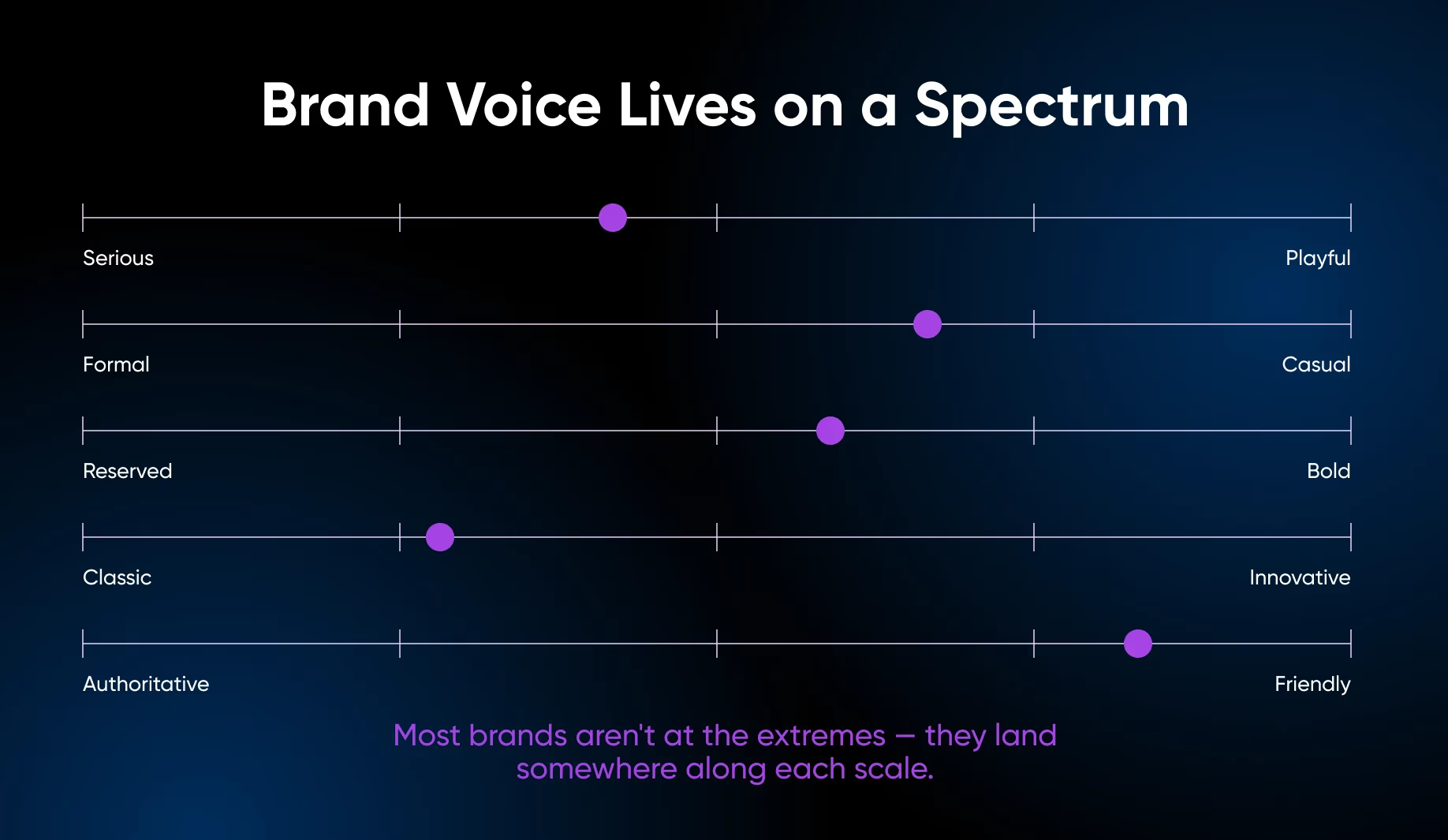
Brand voice is the personality customers recognize in an email, on social media, and on your website without ever seeing your logo. If your voice feels impersonal or inconsistent, customers may not trust you.
- Start with what your business believes, not what it sells
- Define your voice through contrast: "we are warm, but not sappy" beats vague adjectives
- Audit your last ten posts, About page, and a recent email for consistency
- Write a 1-2 page voice guide so your voice survives hiring a VA or using AI tools
Build Your Brand Color Palette
Colors make a first impression before anyone reads a single word. Think of Tiffany's robin's egg blue: the color is the brand. This chapter is a five-step process for choosing colors that work, no design degree needed.
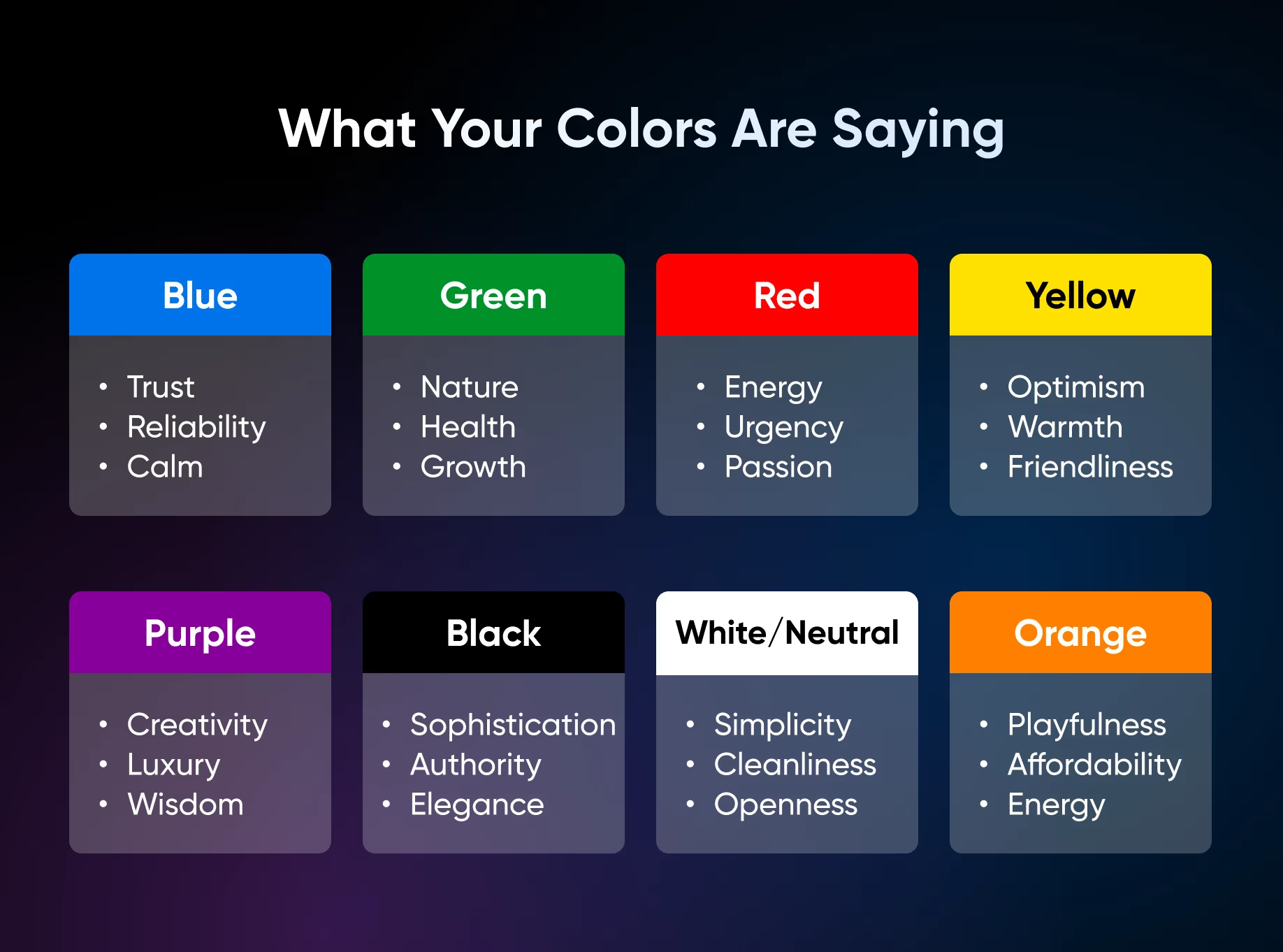
- Use color psychology to match your palette to your brand personality
- Start with one anchor color, then build out a palette of 3-5: primary, secondary, neutral, accent
- Run every combination through WebAIM's free Contrast Checker so your site stays readable
- Generate options with free tools: Coolors, Adobe Color, and Canva's palette generator
Create a Sharp Logo, Without a Designer
Your logo is often the first thing a potential customer sees, and it works for you around the clock: website, packaging, social profiles, email signature. Here's how to make it look good without commissioning one.
- Keep it simple: the most iconic logos in the world are also the simplest
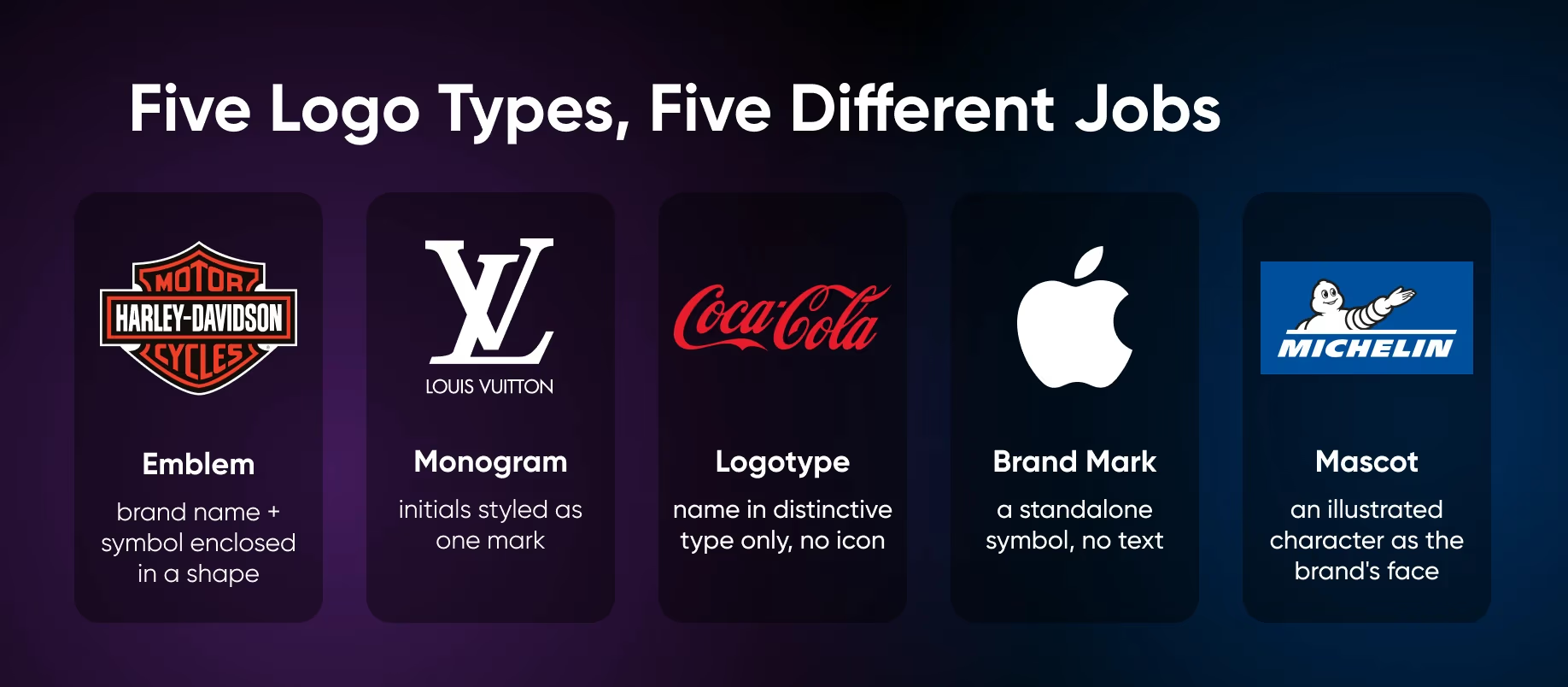
- Pick the right type for your stage: emblem, monogram, logotype, brand mark, or mascot
- Save it in the right formats: PNG with transparency and SVG at minimum, skip the JPEG
- Build it free with Canva, Logo.com, or Looka, or connect with a designer through Designhill
Tap Into Typography That Works
Typography affects readability, brand perception, and whether someone stays on your website long enough to take action. For owners with limited time and budget, it is one of the simplest polish upgrades available.
- Start with readability: decorative fonts fall apart in long paragraphs and on small screens
- Match font style to personality: serif for tradition, sans-serif for modern, script for warmth
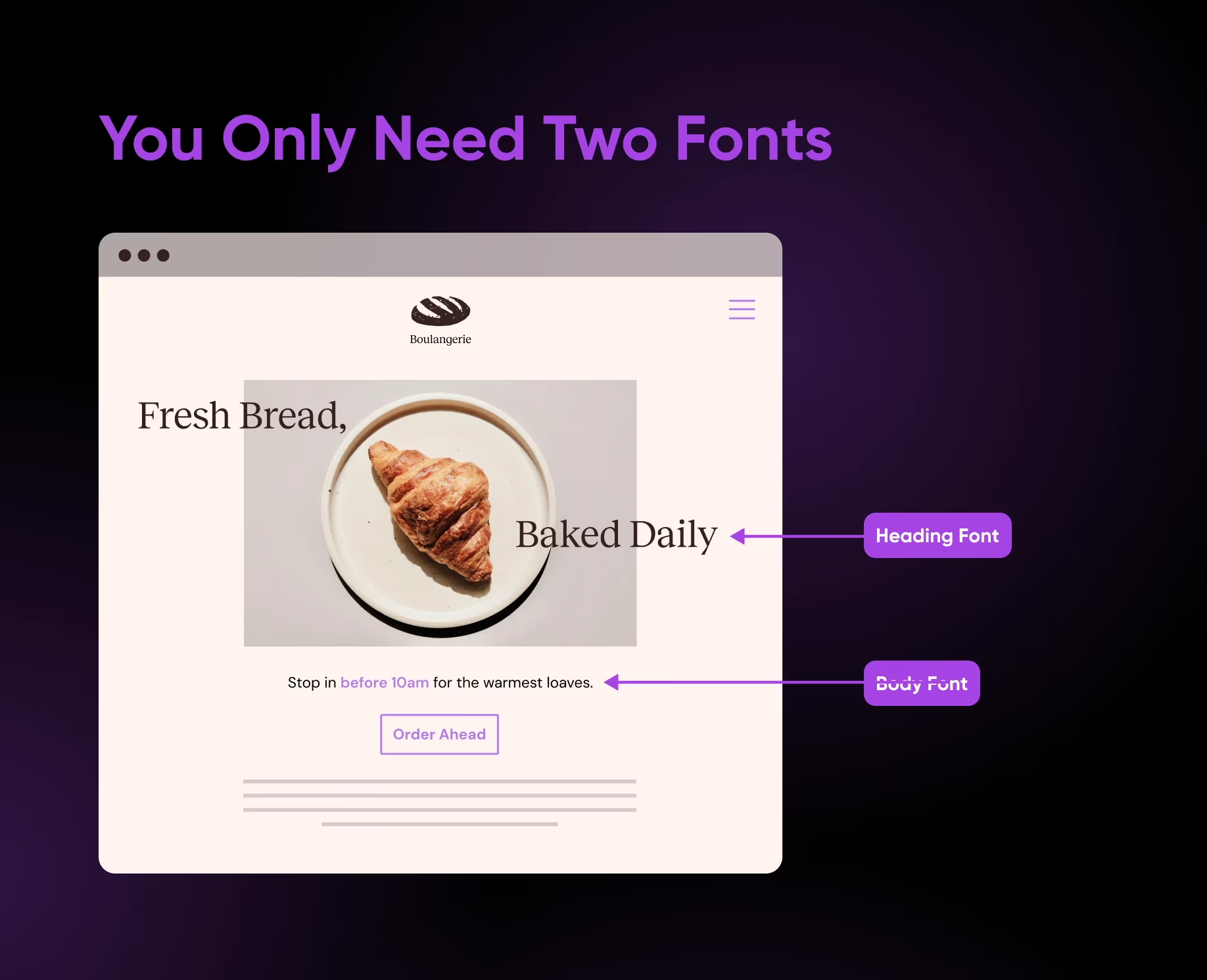
- Use exactly two fonts, one for headings and one for body text, and stay consistent
- Pull from Google Fonts for free: Inter, Open Sans, Poppins, Lora, and Montserrat all work
Bring Your Brand Together
A brand style guide is your cheat sheet: a single reference that captures exactly how your brand looks and sounds, so you and anyone who helps you stay consistent. A simple Google Doc works fine.
- The 5 elements every style guide needs: logo usage, colors, fonts, voice, image style
- Organize brand assets in one central folder with clear file names, no more final_final_v3
- Check every new post, flyer, and page against the guide so your brand never drifts
- Know the signs it's time to bring in professional help, before rework gets expensive
The DIY Branding Timeline
The full checklist in the book runs week by week from strategy to launch. Here's the shape of it: think first, find your voice, build the visuals, then write it all down and keep it consistent.
Weeks 1-2
Brand Strategy
- Define your target audience: age, lifestyle, values, problems
- Write down 3-5 genuine company values
- Run a SWOT analysis and define your competitive differentiation
- Set SMART goals, short-term and long-term, and document the strategy
Weeks 2-3
Brand Voice
- Write 3-4 voice traits in the "we are X, but not Y" format
- Audit your last 10 posts, About page, and a recent email
- Create a 1-2 page brand voice guide
- Share it with anyone who writes for your brand
Weeks 3-5
Visual Identity
- Choose a 3-5 color palette and record every hex code
- Run color combinations through the WebAIM Contrast Checker
- Pick two fonts: one for headings, one for body text
- Design your logo and save it as PNG and SVG
Weeks 5-6+
Style Guide & Maintain
- Create a simple brand style guide with all 5 elements
- Set up one central brand asset folder with clear file names
- Apply the brand across your website, social profiles, and email
- Review one touchpoint per week and the whole brand once a year
40 pages. 6 chapters. One brand that looks like you hired an agency.
Strategy, voice, colors, logo, typography, and the style guide that holds it all together. Every layer your small business brand needs, built with free tools and a few focused hours a week.