
If you can dream it, you can do it.
Seriously, people are out there scraping gum from the bottom of restaurant tables and monetizing that service.

Maybe you’re tired of your 9-5. Maybe you want to bring in some extra cashola from a side hustle. Or maybe you’re really passionate about a super-specific small business idea but don’t know where to start.
Will my idea work?
Am I picking the right niche?
Is my mom going to be my only customer?
Relax. The internet is huge, and there’s space for all kinds of ventures — especially if you start a small business that solves an actual problem.
A niche business serves one specific slice of a larger market: one audience, one problem, one focused offer. The ideas below draw on trends in sustainability, remote work, wellness, pet care, practical AI, and repair. Use the evaluation matrix to test demand and competition in your specific market.
Here are the 10 niche business ideas we’d bet on for 2026:
- Eco-friendly and sustainable products
- Remote work gear and productivity help
- Micro-wellness and mental wellbeing tools
- “Faceless” educational content creation
- Specialized home organization and decor
- Organic and clean beauty
- Modern DIY and hobby kits
- Hyper-personalized pet supplies
- Niche AI tools and training
- Repair education and kits
Some may click with you, others may not. That’s cool. Below you’ll find the why and the how for each one, plus a scoring matrix to help you grab what fits you best.
What Makes a Great Niche Business Idea?
A niche business focuses on a specific slice of a larger market. Think of it as a small-but-mighty corner where you serve a particular group of customers or solve a unique problem.
A profitable niche is a specialized area that not only sparks interest but also drives sales. It’s underserved, meaning competitors aren’t swarming, or it’s brand new (or at least new-ish), so you have room to grow.
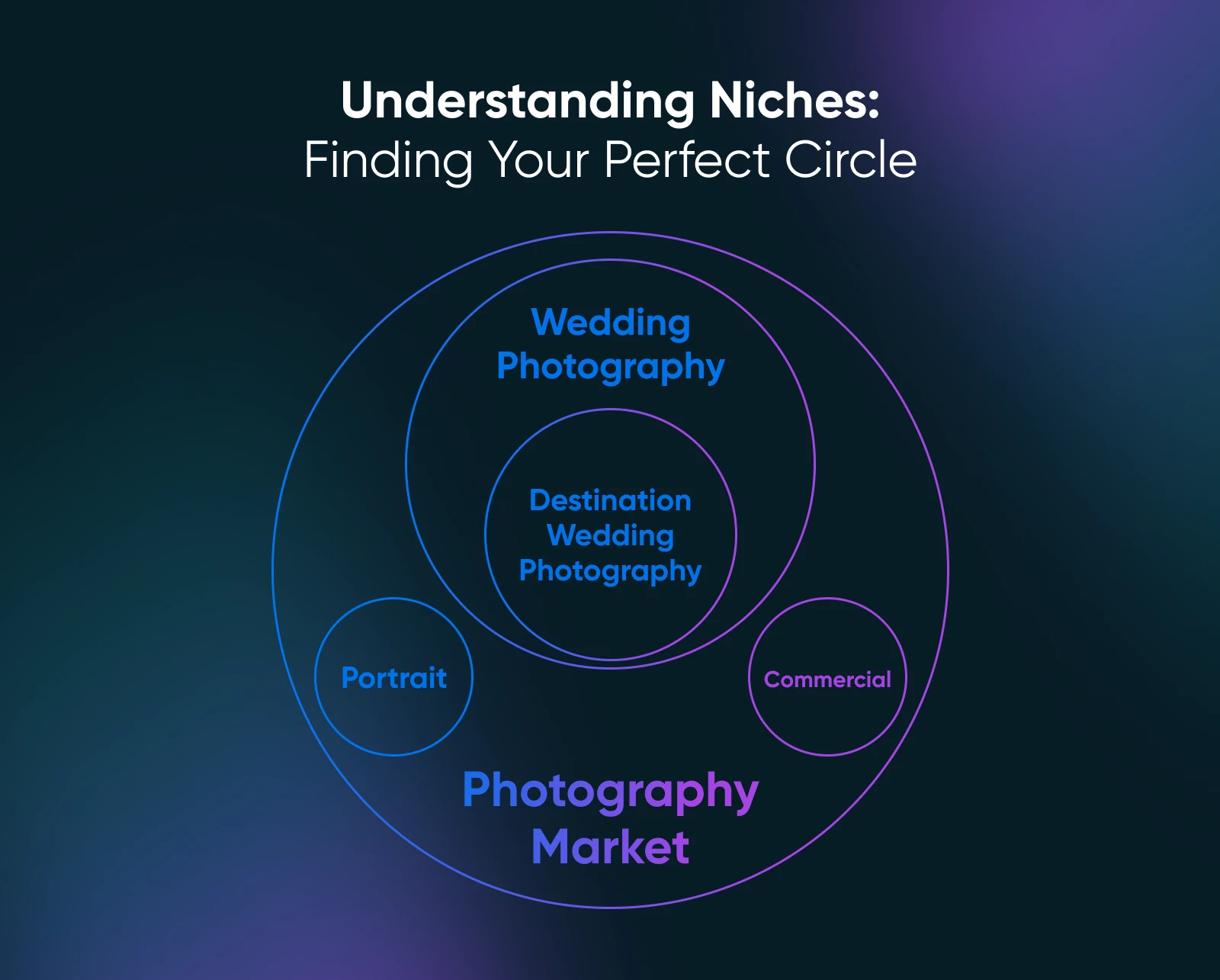
And the right business for you will depend on this evaluation matrix.
Niche Idea Evaluation Matrix
Here’s how to use our small business idea matrix:
- List business ideas you can start with: Write down each idea you’re considering in the first column.
Pro Tip: You can make a copy of our free Niche Idea Scorecard template, or create your own using the outline here.
- Score each criterion: For each idea, go through the criteria columns (“Differentiation,” “Demand,” “Profit Potential,” and “Personal Alignment”).
Read the guiding questions below and assign a score from 1 to 5, where:
- 1 = Very Low / Very Difficult / No Alignment
- 2 = Low / Difficult / Low Alignment
- 3 = Medium / Possible / Moderate Alignment
- 4 = High / Achievable / Good Alignment
- 5 = Very High / Easy / Strong Alignment
- Add notes: Use the “Notes” column to jot down specific thoughts, potential challenges, unique opportunities, or key evidence for your scores (e.g., “Competitor X has poor reviews,” “Requires significant upfront cost”).
- Calculate the total score: Add up the scores for each niche idea. This gives a quick quantitative comparison.
Here are the guiding questions you need to score each column:
- Differentiation: How easily can I stand out from others?
- Demand: Do enough people want this product or service?
- Profit potential: Can I make decent money doing this?
- Personal alignment: Will I stay interested in this for a long time?
| Business Idea | Differentiation | Demand | Profit Potential | Personal Alignment | Total Score | Notes |
| Idea #1 | ||||||
| Idea #2 | ||||||
| Idea #3 | ||||||
| Idea #4 | ||||||
| Idea #5 | ||||||
| Idea #6 | ||||||
| Idea #7 | ||||||
| Idea #8 | ||||||
| Idea #9 | ||||||
| Idea #10 |
Okay, the matrix helps rank your ideas. But don’t build anything big yet. Next, you have to test to see if your online business idea holds water in the real world within your target market. Luckily, we have just the guide to validate your side hustle ideas.
Let’s explore 10 trending niches you can plug into the matrix right now.
10 High-Demand Niche Business Ideas for 2026
Your entrepreneurship dreams take flight here.
Remember to use these (or your own ideas!) in the evaluation matrix.
1. Eco-Friendly and Sustainable Products
You’ve seen the headlines, right? Rising sea levels, plastic everywhere. Consumers are noticing, and they’re seeking ways to spend money without feeling like villains.
Research by Deloitte consultants published in Harvard Business Review (September 2023) argues we’re fast approaching a tipping point where sustainability becomes a baseline requirement for purchase — and brands that actually make good on their promises will seize the advantage from brands making flimsy claims.
People want greener options, creating a huge opportunity if you can offer products that actually help them reduce their environmental impact.
What You Can Do
- Sell reusable versions of everyday things: Think stylish coffee cups people want to carry, beeswax food wraps instead of plastic cling film, or durable mesh produce bags.
- Create refillable products: Offer concentrated cleaning supplies or personal care items (like shampoo bars) where customers buy refills, cutting down on packaging waste.
- Curate zero-waste starter kits: Bundle essential reusables (like a water bottle, utensils, and a container) to help beginners get started on reducing waste easily.
- Upcycle old materials into cool new products: Get creative turning old jeans into bags, advertising banners into wallets, or reclaimed wood into unique home decor.
2. Remote Work Gear and Productivity Help
Remote work isn’t a phase. Gallup’s hybrid work tracking finds that among U.S. employees with remote-capable jobs, 52% now work hybrid and another 26% work exclusively remotely — and about five in 10 full-time U.S. employees hold remote-capable jobs. That’s a lot of people who are probably sick of their banana-esque posture and craned necks.
Working from the couch was cool for a bit, but now people realize they need proper setups for the long haul. That fuels demand for everything around the home office — ergonomic gear, organization, and the ancillary services that keep a work-from-home operation running.
What You Can Do
- Sell solid ergonomic gear: Go beyond the basics that people find everywhere. Think adjustable monitor arms to get screens perfectly at eye level or vertical mice designed to reduce wrist strain during long computer hours.
- Provide smart desk organization: Tackle the mess that accumulates on home desks. Maybe brainstorm clever cable management solutions like sleeves, boxes, or raceways to hide the wire spaghetti. Or perhaps monitor risers that create storage space underneath.
- Offer specialized virtual assistant (VA) services: This could involve managing complex schedules across different time zones, filtering and responding to emails, preparing presentations or documents for virtual meetings, or handling administrative tasks unique to remote operations.
3. Micro-Wellness and Mental Wellbeing Tools
People are stressed, tired, and looking for ways to feel better, mentally and physically.
The Global Wellness Institute pegged the global wellness economy at a massive $6.3 trillion in 2023 and forecasts 7.3% annual growth through 2028. And get this: mental wellness is one of the fastest-growing slices of that giant pie, projected to grow 12.2% a year and roughly double by 2028.
That’s serious money people are spending because, thankfully, the stigma’s fading, and folks are actively looking for help. The real opportunity now is in specific tools for specific problems — not just vague ‘feel good’ stuff.
What You Can Do
- Develop niche digital tools: Try your hand at no-code, low-code app development and create a meditation app for 5-minute work breaks, a mood-tracking journal app, or downloadable guides on managing anxiety triggers.
- Sell targeted physical products: Offer comfort-focused boxes with items such as sleep masks, teas, weighted blankets, or scented products, avoiding medical or therapeutic claims unless you have evidence to substantiate them.
- Provide guided journaling resources: Sell journals with specific prompts tailored to goals like building confidence, practicing gratitude, or navigating grief.
4. “Faceless” Educational Content Creation
Online learning is enormous. YouTube, podcasts, blogs — they’re basically universities now. People constantly want to learn new skills or understand complex stuff.
You can teach successfully online without ever showing your face, focusing purely on delivering great content.
For example, more than 25 million people subscribe to Kurzgesagt – In a Nutshell (25.3 million as of June 2026), a channel with colorful animation and soothing narration that covers everything from black holes to happiness.
What You Can Do
- Create animated explainer videos: Use animation software to break down complex topics in science, finance, history, or technology.
- Produce screen-recording online courses: Teach software skills, coding, graphic design, or even video game strategies, clearly showing your screen.
- Start a niche educational podcast: Deep-dive into specific subjects, interview experts, or tell interesting historical stories using just audio.
- Sell digital guides and templates: Offer in-depth ebooks, downloadable checklists, or useful templates (like budget spreadsheets or marketing plans) in your area of expertise.
5. Specialized Home Organization and Decor
Staring at the same four walls has made people care about how their homes look and function. Clutter equals stress, and good design feels good.
American homeowners spend an average of $5,635 on home renovation and remodeling projects and $1,599 on home decor each year, according to Opendoor’s 2024 Home Decor Report, a survey of 1,022 U.S. homeowners run in October 2023.
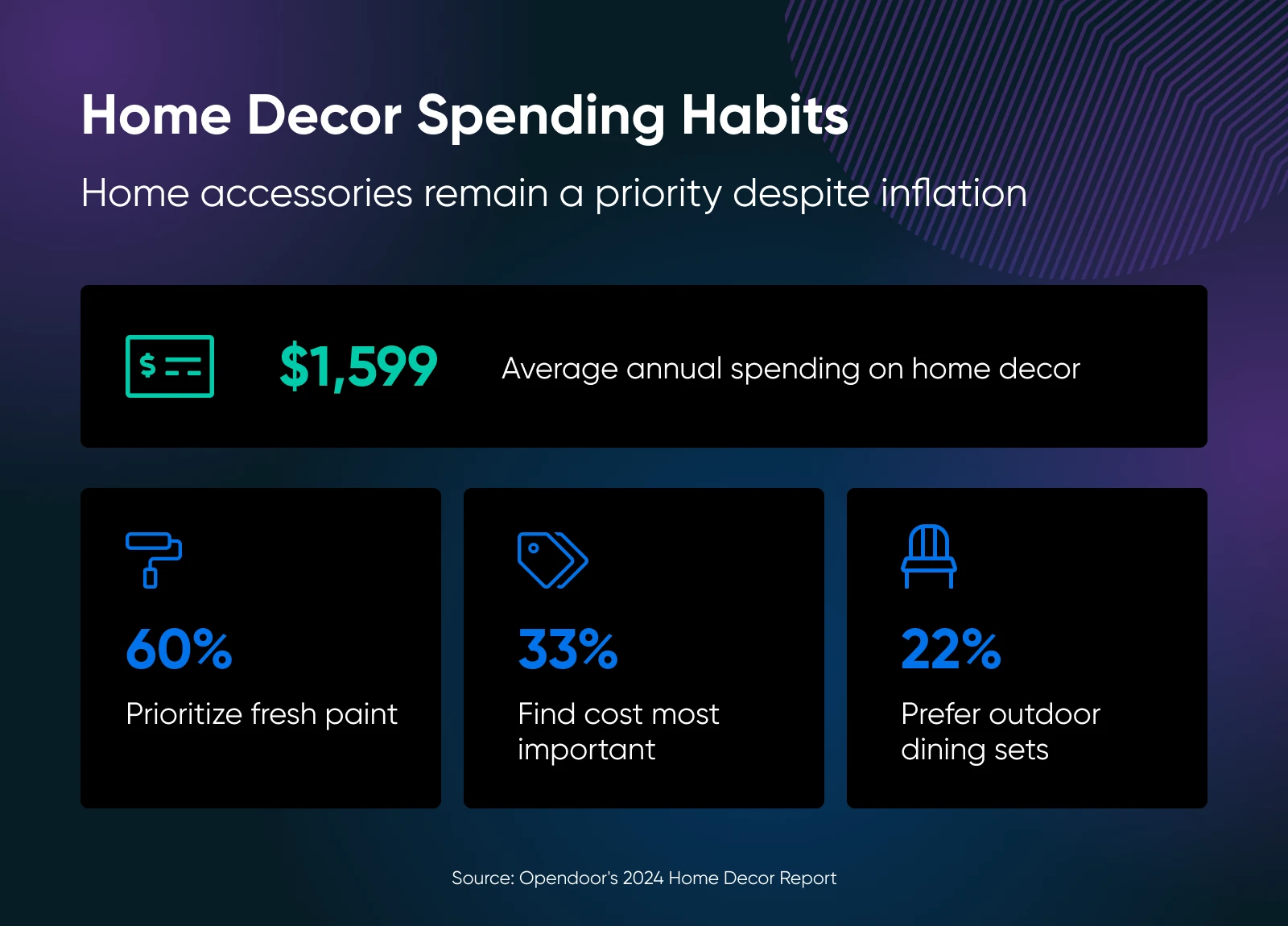
There’s plenty of room for businesses that offer clever solutions for home challenges or cater to distinct design tastes.
What You Can Do
- Sell storage solutions for tiny spaces: Offer modular shelving, under-bed organizers, over-the-door storage, or furniture with hidden compartments designed explicitly for small apartments or rooms.
- Curate items for a specific aesthetic: Focus entirely on one style, like minimalist Japandi, colorful maximalist, cozy dark academia, or sustainable/eco-friendly decor.
- Provide virtual organizing consultations: Help people tackle specific problem areas (closet, kitchen, home office) via video call, guiding them through decluttering and organizing.
- Design and sell unique organizational printables: Offer stylish downloadable checklists, labels, planners, or guides for home management or specific organizing projects.
6. Organic and Clean Beauty
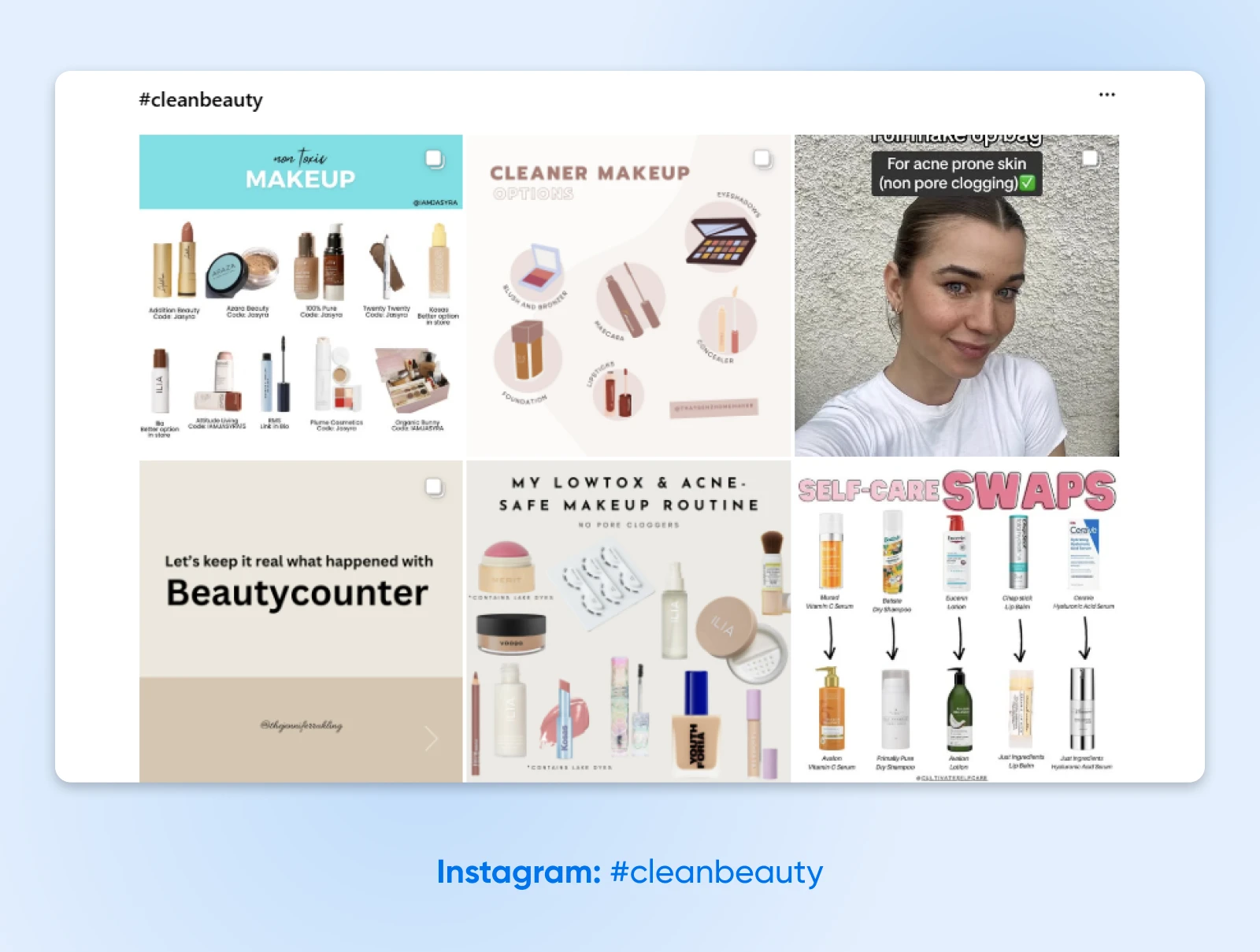
If you pursue clean beauty, define exactly what “clean” means for your brand and substantiate any ingredient, safety, or performance claims.
The broader opportunity is substantial: The Global Wellness Institute projects that personal care and beauty will surpass $1 trillion in market size by 2028 — one of five wellness sectors forecast to cross that line. That forecast does not measure clean beauty specifically, so validate demand for your particular positioning before investing.
What You Can Do
- Create small-batch natural skincare: Make and sell products like organic face oils, gentle cleansers, or body butters using simple, high-quality ingredients (following all safety and labeling laws!).
- Curate clean beauty subscription boxes: Offer boxes featuring only vetted brands that meet strict “clean” criteria (free from certain chemicals, cruelty-free, etc.).
- Build an online shop specializing in one clean category: Focus only on certified organic makeup, reef-safe mineral sunscreens, or non-toxic haircare.
- Become a trusted resource: If you want to scratch your digital marketing itch, start a blog or social media account dedicated to decoding ingredient lists, reviewing clean products, and educating consumers.
7. Modern DIY and Hobby Kits
Our thumbs are getting sore from endless scrolling, and our eyes might actually fuse to our screens. So naturally, people are suddenly desperate to prove they can still use their actual hands for something other than typing or swiping.
Enter the modern DIY kit: making old-school stuff like knitting or pottery seem cool again.
The global arts and crafts market reached $47.35 billion in 2025, and The Business Research Company projects it will grow to $50.7 billion in 2026.
Apparently, people will pay good money to make their own slightly lopsided mug or stitch a wonky sweater.
What You Can Do
- Package up trendy crafts: Box up everything someone needs to make that resin coaster, punch needle pillow, or tie-dye monstrosity they saw on TikTok. Easy instructions are key; assume your customer has the attention span of a goldfish.
- Offer “Look I Built This!” tech kits: Cater to the geek with beginner-friendly electronics kits. Build a basic radio that crackles, a robot that bumps into walls — whatever lets them brag they soldered something without burning the house down.
- Do crafty subscription boxes: Keep ’em hooked (and spending) by sending a surprise box of crafty stuff each month. Today, it’s pottery, and tomorrow… macrame plant hangers? The possibilities for questionable home decor are endless!
8. Hyper-Personalized Pet Supplies
People love their pets — maybe too much? Global Market Insights put the global pet accessories market at $21.9 billion in 2024 and expects it to grow from $22.9 billion in 2025 to $43.1 billion by 2034 — about 7.3% a year.
The “pets are family” feeling means owners want specialized stuff, whether it’s food tailored to Fido’s weird allergy or a GPS tracker for Lola who loves flying off her leash.
What You Can Do
- Create personalized pet food or treat plans: Offer treat subscriptions based on owner-provided preferences and dietary restrictions, and direct customers to a veterinarian for allergy or health-related nutrition advice.
- Sell breed-specific durable toys: Focus on toys designed to withstand the jaws of power-chewing breeds or interactive toys for brainy ones. Beagles love puzzles they can smell, for example.
- Offer high-tech pet monitoring: Provide reliable GPS tracking collars with good battery life or smart feeders that dispense measured portions.
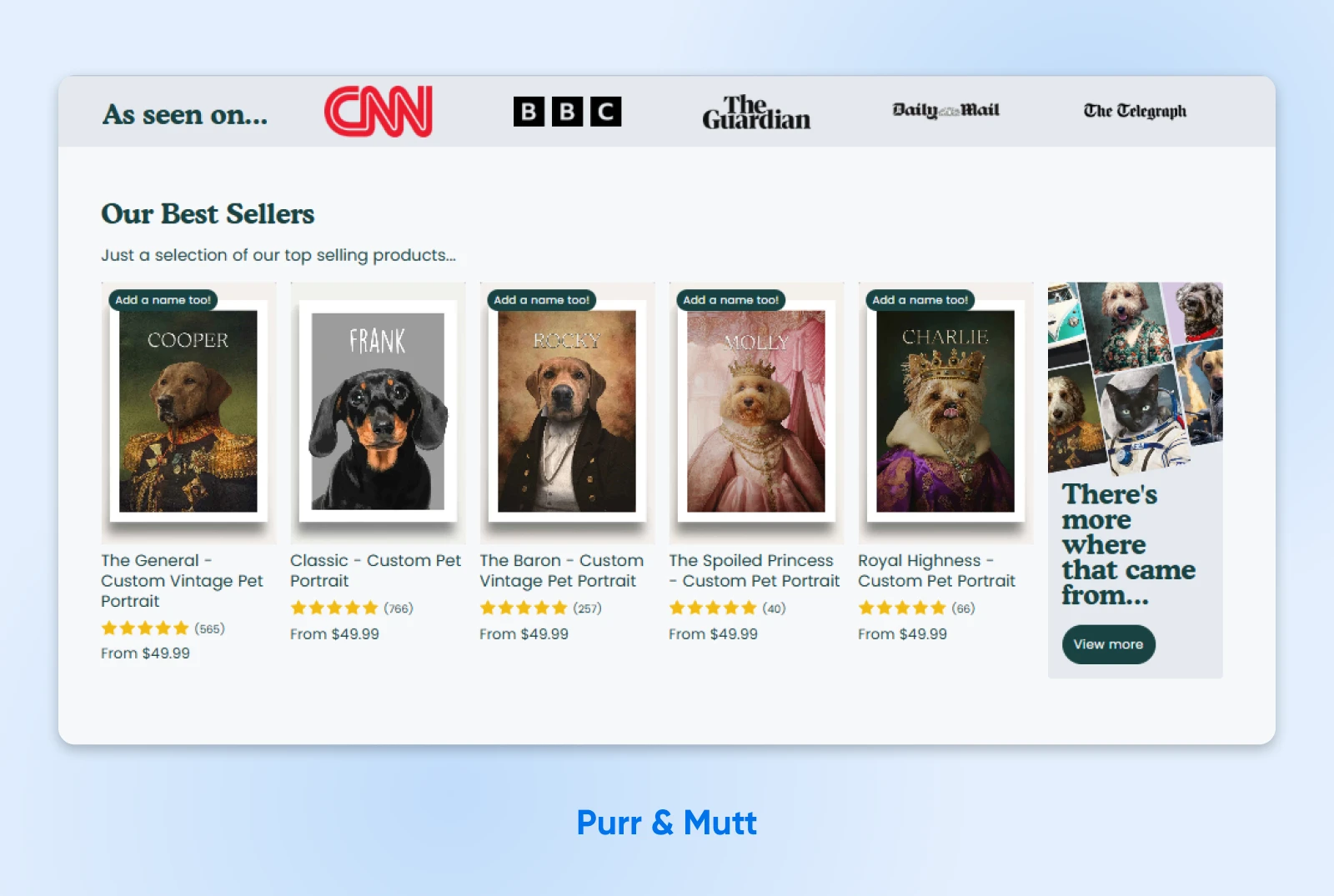
- Commission custom pet portraits: Offer digital paintings or physical artwork based on photos submitted by owners for that ultimate personal touch.
Purr and Mutt turns all manner of pets, from cats to dogs to rabbits, into (adorable) works of art — and says it has served more than 70,000 customers doing it.
9. Niche AI Tools and Training (For Regular People)
AI is booming right now, but honestly? It’s confusing for most folks running a small business or working freelance. They need practical ways to use AI now without needing a PhD. That’s the gap you can fill.
IT consultancy Sopra Steria forecasts the AI market growing about 19% a year, from $540 billion to $1.27 trillion by 2028. Its researchers split that market into four segments, and the two largest are AI tools for processes (e.g., within process mining) and AI tools for people (e.g., intelligent AI assistants) — projected to reach $390 billion and $380 billion by 2028, respectively.
There’s huge money in making AI useful, not scary.
What You Can Do
- Build AI tools for annoying processes: Focus on automating soul-crushing, repetitive tasks within specific jobs. For example, you might make a simple tool that helps Etsy sellers automatically categorize their expenses instead of crying over spreadsheets.
- Create AI assistants for overwhelmed people: Develop smart helpers tailored for specific professions. Maybe an AI assistant that helps therapists draft session notes (ethically!), or one that suggests email replies for busy freelancers who seem allergic to their inbox.
- Teach people how AI can help them: Run workshops or courses for specific groups (like realtors, artists, or plumbers), showing them practical ways AI can help their process or act as their assistant without stealing their jobs (probably). Focus on using existing tools smarter.
- Consult on setting up AI without breaking things: Help small businesses implement simple AI for their processes or people, like chatbots that handle basic customer questions without annoying everyone.
10. Repair Education and Kits (Anti-Throwaway Culture)
Sick of your phone conveniently slowing down right after the warranty expires? Or that fancy gadget becoming an expensive paperweight because one tiny, irreplaceable part broke?
Yeah, you and everyone else.
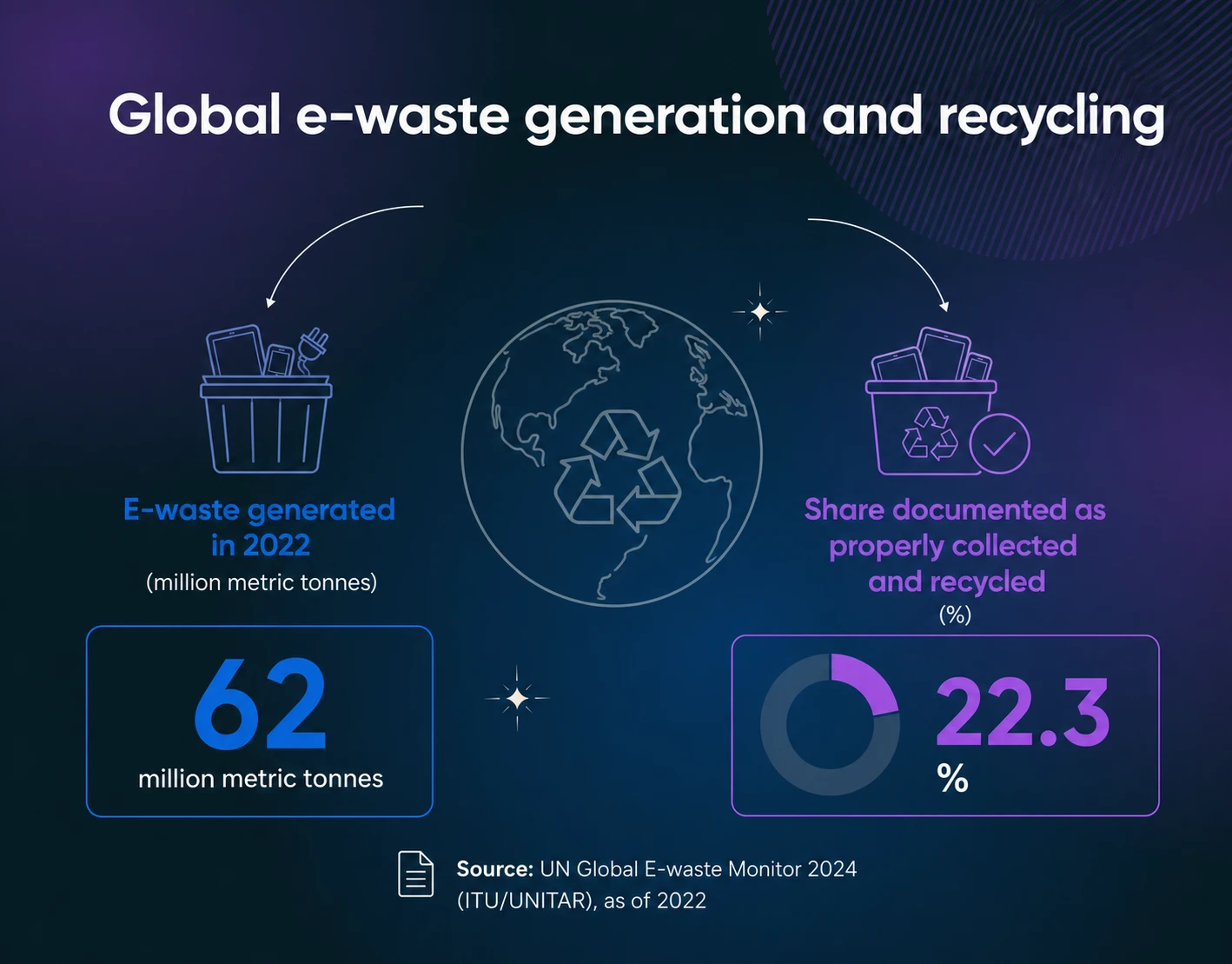
Globally, we churned out a record 62 million metric tonnes of e-waste in 2022, and only 22.3% of it was documented as properly collected and recycled, according to the UN’s Global E-waste Monitor 2024. Meanwhile, the “Right to Repair” movement keeps stacking up wins: New York, Minnesota, California, Oregon, and Colorado have all passed right-to-repair laws covering consumer electronics.
This widespread frustration creates a solid opportunity to arm people with the skills, tools, and confidence to fight back against planned obsolescence.
What You Can Do
- Sell DIY repair kits: Bundle the specific, often weirdly tiny tools (like spudgers, prying tools, and special screwdrivers) and quality replacement parts needed for popular repairs. Take the guesswork and risk out of sourcing sketchy components from random online sellers.
- Build a repair community/forum: Launch an online space (maybe with a paid tier) where people can share their repair guides, ask questions when they get stuck, and troubleshoot tricky fixes together.
- Offer refurbished gadgets (with honesty): Source used electronics, fix them up properly using good parts, and sell them. Be transparent about what you repaired and why, including links to guides showing how the buyer could fix it again if needed. Focus on reliability and fighting the disposable cycle.
Alright, What Now? Start a Business!
Got your niche picked (and maybe even validated)? Awesome! Time to launch this sucker. Here’s a quick checklist:
1. Seriously, validate
Okay, one last nudge. Validate that top-scoring idea from your matrix if you haven’t yet. Talk to potential customers, run a quick online survey, and maybe set up a dead-simple “coming soon” page to collect emails for future email marketing.
2. Sketch a “plan”
You don’t need a 50-page formal business plan destined to gather dust, but do jot down the basics derived from your evaluation:
- Who’s your ideal customer?
- What’s your unique selling point?
- Roughly how much will things cost?
- What’s your pricing strategy?
- How will people find you online?
Think bullet points or a simple mind map, not a novel.
3. Nail down your actual offer
Time to get concrete about what you’re putting out there. If it’s a physical product, figure out manufacturing or sourcing. Where are you getting it, how’s the quality, and how will you handle shipping?
If it’s a service, define exactly what’s included (and what’s not) so you don’t end up scope-creeping yourself into working 24/7 for peanuts. Logistics, baby.
4. Build your online hub
Seriously, you need a website. It’s not optional in 2026.
This is your corner of the internet to tell your unique story, collect email addresses, and give people a reliable place to buy from you.
Start with a domain name that matches your niche, then pick hosting that won’t fight you. Every DreamHost Web Hosting plan includes a free handcrafted starter website (a 4-page WordPress site set up for you by a real person), unlimited free SSL certificates, daily automated backups, and a free domain for the first year on annual and multi-year terms — so the technical side is mostly handled before you’ve finished your coffee.
💡Pro tip: If you’re building on WordPress, the Astra theme is a solid bet. It’s known for being lightning fast (remember, visitors bail on slow sites), lightweight, and incredibly customizable, even if you’re allergic to code. Plus, it works well with most other tools you might add later.
5. Show up where your people are
Don’t just spray posts randomly across every social platform. Figure out which one or two places your ideal customers hang out and engage.
Then, show up there regularly. Share stuff they’ll find useful, interesting, or entertaining related to your niche — build a connection. Don’t just scream “BUY MY STUFF!” constantly.
6. Launch, listen, learn, repeat
Hit the button! Get your product or service out there.
Spoiler: It will not be perfect. And that’s completely okay.
The real work starts now. Pay super close attention to what happens next. What questions do people ask constantly? What feedback (good, bad, and weird) do you get? What’s selling?
Utilize all that real-world data to fix what’s broken, improve what’s working, and refine your approach.
Niche Business Ideas FAQ
Quick answers to the questions people actually ask about picking a niche.
What is a niche in business?
A niche is a focused segment of a larger market, defined by a specific audience, problem, or product type. A niche business serves that segment exclusively — “durable toys for power-chewing dog breeds” instead of “pet products.” Focusing on a niche makes it easier to stand out, target your marketing, and build loyal customers than competing across an entire market.
What niches are most profitable right now?
The sources cited here forecast growth in the broader wellness, pet-accessories, and AI markets. The Global Wellness Institute forecasts the wellness economy growing 7.3% a year through 2028, Global Market Insights expects pet accessories to nearly double by 2034, and Sopra Steria projects the AI market growing about 19% a year through 2028. That said, a growing market doesn’t guarantee your profit — that depends on your costs, pricing, and differentiation, which is exactly what the scoring matrix above helps you judge.
What is the best niche for beginners?
The best beginner niche combines something you already know, low startup costs, and fast feedback. Digital products (guides, templates, printables), faceless educational content, and service businesses like virtual assistance or virtual organizing are beginner-friendly because you can test them with almost no inventory or upfront investment.
What business will boom in 2026?
Nobody can promise a boom, but the trends with data behind them heading into 2026 are sustainability-focused products, mental wellness tools, remote work support, practical AI services, and repair. Pick based on the overlap between measurable demand and your own skills — a “hot” niche you hate will lose to a solid niche you’ll stick with.
How do I validate a niche business idea?
Talk to 10–20 potential customers, run a short survey, and put up a simple “coming soon” page that collects email addresses — all before you build or buy anything. If strangers (not your mom) hand over their email or preorder, you have a real signal. If nobody bites, you just saved yourself months of work.
Your Move, Entrepreneur
If you zoned out, here’s the super-quick version:
- The internet’s buzzing with opportunity, but you need a niche to get noticed. Don’t try to sell everything to everyone.
- Use that evaluation matrix we gave you to check if your idea sucks or shines.
- Seriously, validate your top idea before you dump your savings into it. Test it out on real people first.
Next step? Build it, market it, and make some cash.
Getting your website up, making sure Google shows it to people (that’s SEO!), and telling the world about your awesome thing takes effort.
DreamHost can hook you up with professional website management, plus SEO and marketing services, cutting down the tech headaches so you can focus on being a forward-thinking small business owner.

Build the Website You’ve Always Wanted
From first idea to full launch, get everything you need to succeed online.
See MoreThis page contains affiliate links. This means we may earn a commission if you purchase services through our link without any extra cost to you.